12/18/25
Governor Hobbs hosts Energy Superabundance workshop on energy production and generation
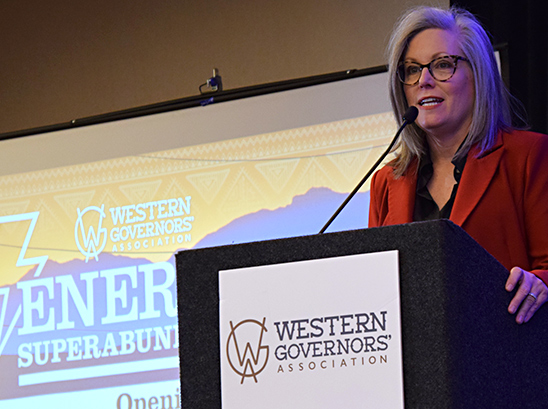
The third workshop of the Western Governors’ Association’s Chair initiative, Energy Superabundance: Unlocking Prosperity in the West, was hosted by Arizona Governor Katie Hobbs in Phoenix, Arizona, on December 17 and 18.
Over the two-day workshop, Governor Hobbs joined policymakers and industry leaders from across the West to examine opportunities to streamline the permitting and siting of new generation facilities, strengthen the domestic supply chain for critical minerals, support tribal energy development, expand distributed energy resources, and accelerate other emerging energy technologies.
“The fact is that America's energy future runs through Arizona and other Western states, Governor Hobbs told workshop attendees. “We stand on the frontier of energy innovation and generation, and our collective power has the ability to support and promote American advancement for generations. The good news is that Western states are already leading the way in energy production… we know that we can only accomplish more when we work together, and that's what today's and tomorrow's conversations are about.”
Watch recordings of Governor Hobbs’ opening remarks—and all workshop panels— by visiting WGA's YouTube channel or by clicking the panel titles below.
You can also tune into the discussions from the previous Energy Superabundance workshops on WGA's YouTube channel.
Opening Remarks - The Honorable Katie Hobbs, Governor of Arizona
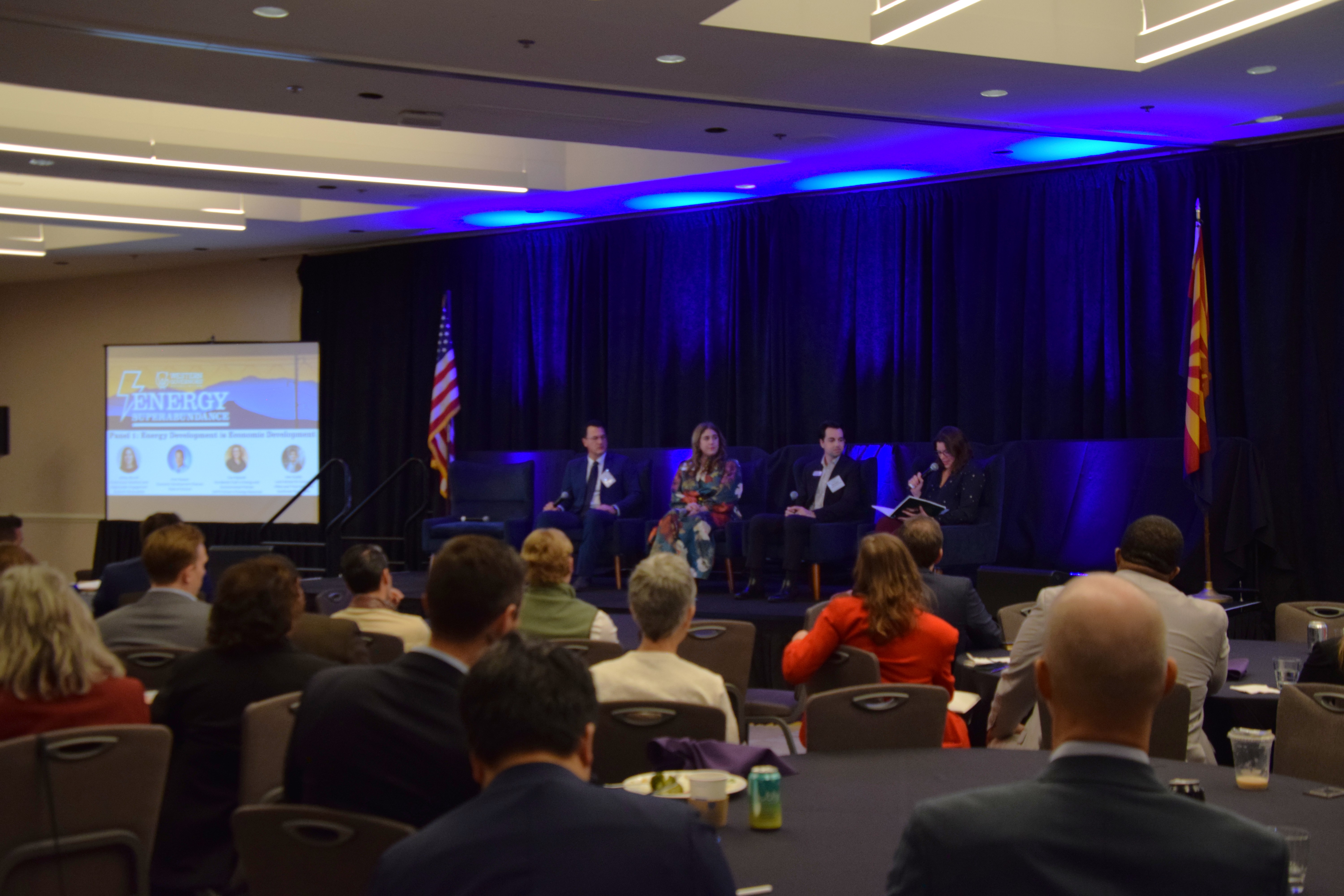 Panel 1: Energy Development is Economic Development
Energy development is a powerful driver of economic growth, creating high-quality jobs, new business opportunities, and revenue for communities and governments. In the West, expanding both traditional and emerging energy industries strengthens local economies, particularly in rural areas where resource development often anchors employment and tax bases. This panel will examine the inextricable relationship between energy and economic development and how energy superabundance is critical to unlocking economic opportunity in the West.
Panelists: Ashley Bunch, Manager, Government Relations and Stakeholder Engagement, BluEarth Renewables; Jake Dubbs, Lead Advisor for External Affairs and Tribal Relations, Southwest Power Pool; Chris Pasterz, Economic Development Director, State of Arizona; and Tara Righetti, Occidental Chair in Energy and Environmental Policies, University of Wyoming School of Energy Resources.
Panel 2: Supporting Emerging Energy Technologies
Fostering emerging energy technologies is key to expanding the energy mix; however, the construction of new generation is not on pace to meet existing or future demand. Targeted investments, research and development funding, and pilot programs help bring emerging solutions to commercial scale. Federal tax incentives and funding grants play a role in energy innovation by encouraging investment and making first of a kind technology financially viable. The panel will examine how governments and the private sector can expand generation options and contribute to a more abundant energy future.
Panelists: Matthew Allen, Director of Legislative Affairs, National Hydropower Association; Matt Murdock, Founder and Chief Executive Officer, Raven SR; and Blake Simmons, Division Director, Biological Systems and Engineering, Lawrence Berkeley National Laboratory.
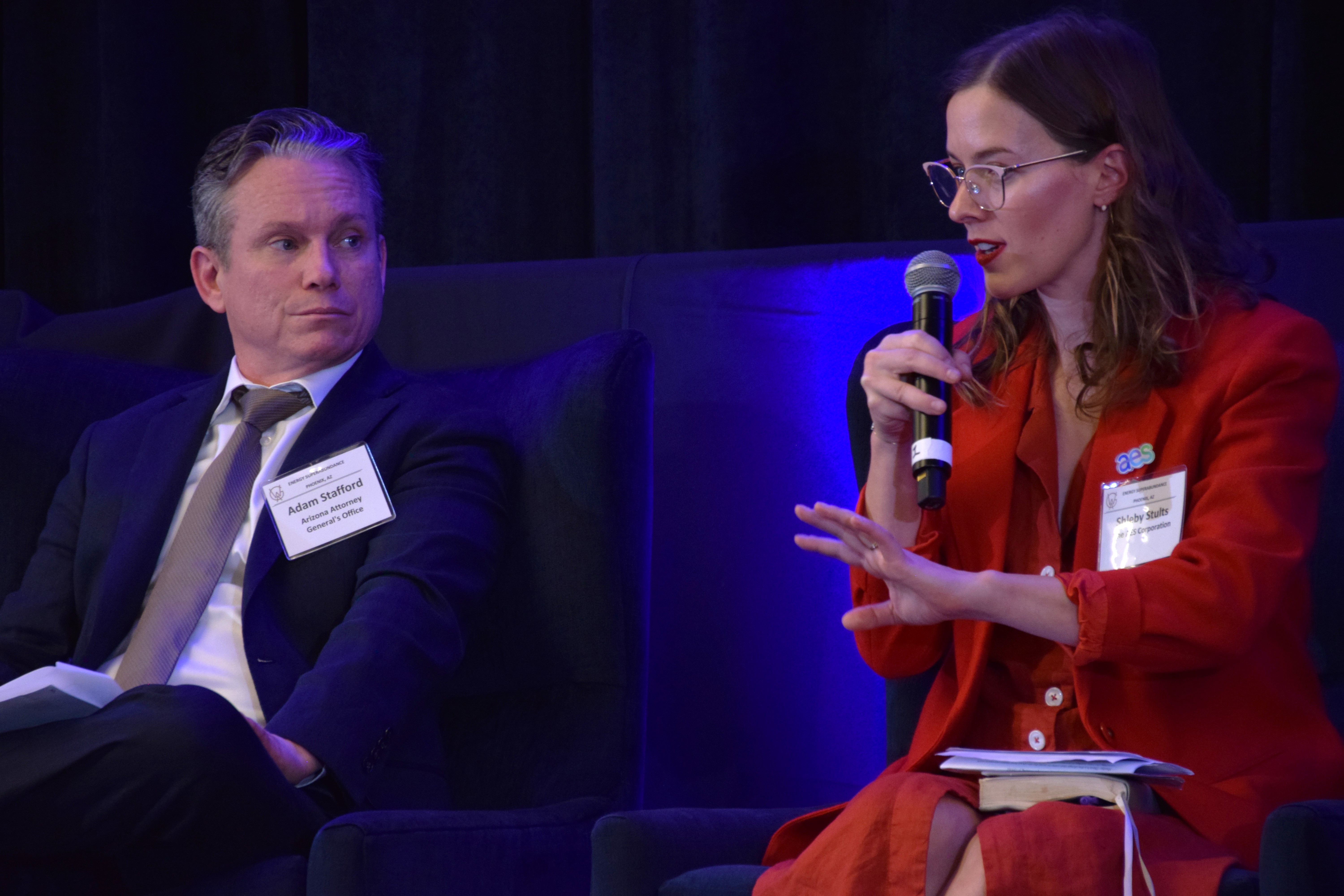 Panel 3: Permitting New Generation
Permitting is an often complex and time-consuming component of energy development, which can discourage project applications and dramatically increase the cost of new projects. Streamlining permitting processes, improving interagency coordination, and providing clear guidance to developers can accelerate project approval without compromising environmental protection or community support. This panel will discuss how efficient permitting is essential to encouraging new generation capacity, supporting diverse energy sources, and meeting growing energy demand.
Panelists: Adam Stafford, Commissioner, Arizona Power Plant and Transmission Line Siting Committee, Arizona Attorney General’s Office; Shelby Stults, Government Affairs Manager, The AES Corporation; and Rob Rebel, Vice President of Environmental Engineering, WSP.
Panel 4: Siting Considerations for Energy Development
Siting energy projects in the West involves navigating a complex mix of land ownership, diverse ecosystems, and competing land uses. Many high-potential areas for renewable and conventional development overlap with lands managed for conservation, recreation, grazing, or tribal and cultural purposes. Other siting considerations, such as transmission access or available water resources, can also significantly constrain where projects can be built. This panel will examine the regulatory, jurisdictional, and institutional challenges siting presents and consider strategies to improve responsible energy siting outcomes.
Panelists: Jason Baran, Director, State Government Affairs, Salt River Project; Kathryn Leonard, Arizona State Historic Preservation Officer, Arizona State Historic Preservation Office; Marc Reyes, Director of Interconnection and Transmission, Fervo Energy; Madeleine West, Vice President for Western Conservation, Theodore Roosevelt Conservation Partnership; and Tom Vinson, Vice President of Policy and Regulatory Affairs, American Clean Power Association.
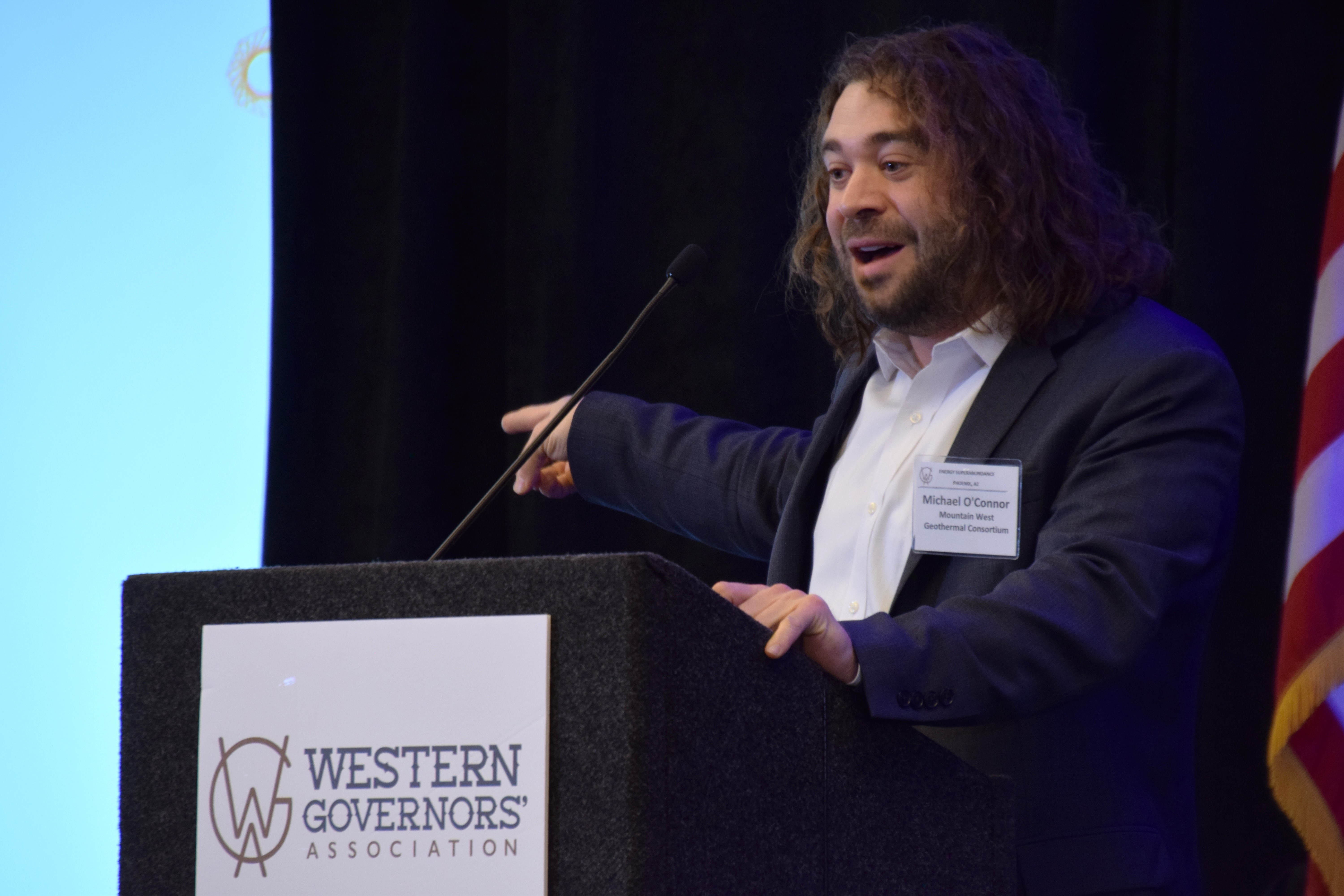 Keynote: The Mountain West Geothermal Consortium
Michael O’Connor, Director, Mountain West Geothermal Consortium, will provide an overview of recent state-level efforts to expand the development and deployment of geothermal energy technologies in the West. Featuring remarks from Kayla Lucero-Matteucci, Manager of Finance, Arizona Governor Katie Hobbs ’ Office of Resiliency, and Tim Kowalchik, Research Director, Utah Office of Energy Development.
Panel 5: Supporting Tribal Energy Development
Across the West, tribal nations possess abundant energy resources that can drive economic growth, community resilience, and workforce development. However, barriers like limited investment and capital constraints, complex permitting and approval processes, and inadequate transmission capacity make it difficult for tribes to capitalize on these resources. This panel will examine how strategies such as improved partnership and coordination and strengthening technical capacity can support tribal energy development and ensure that projects deliver benefits to associated tribes.
Panelists: Dave Castillo, Chief Executive Officer, Native Community Capital; Governor Stephen Lewis, Gila River Indian Tribe; and John Lewis, Managing Director of Native American Energy, Avant Energy.
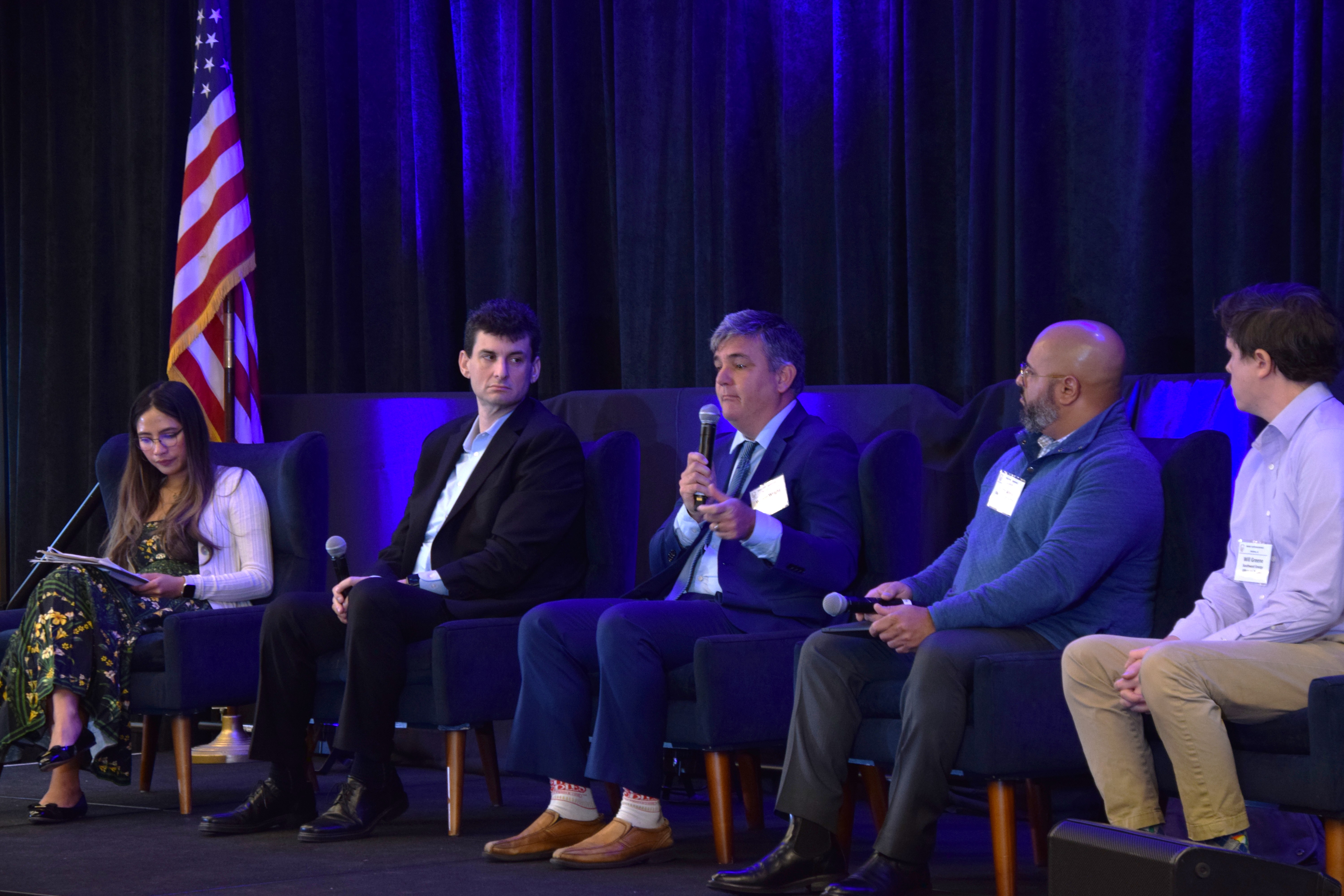 Panel 6: Distributed Energy Resources
Distributed energy resources (DERs), such as rooftop solar, battery storage, small wind, and demand-response technologies, are reshaping how electricity is produced and managed across the West. By generating or storing power close to where it is consumed, DERs can reduce strain on the grid, enhance reliability, and provide resilience during outages or extreme weather. Customers are also more empowered to manage energy use and costs. However, distributed energy resources face challenges integrating into the existing grid and being valued differently than traditional centralized generation assets. This panel will discuss some of the technical, regulatory, and cost-allocation hurdles to the widespread adoption of DERs.
Panelists: Will Greene, Arizona Representative, Southwest Energy Efficiency Project (SWEEP); Scott Lipton, Director of Energy Policy, Western, Enchanted Rock LLC; Chris Mejia, Arizona Solar Energy Industries Association (AriSEIA); and Walker Wright, Vice President of Public Policy, SunRun.
Panel 7: Supply Chain Challenges
Supply chain challenges critically affect energy development by creating persistent shortages of essential equipment such as transformers, switchgear, and turbines. These constraints extend project timelines, increase costs, and complicate efforts to expand generation and grid capacity. Mitigating these near-term equipment bottlenecks through manufacturing expansion, investment, and bolstering domestic critical mineral supply chains can support timely and affordable project deployment for both current and emerging energy technologies.
Panelists: Misael Cabrera, Director, School of Mining Engineering and Mineral Resources, University of Arizona; Peter Ferrell, Senior Director of Government Relations, National Electrical Manufacturers Association; and MJ Shiao, Vice President of Supply Chain and Manufacturing, American Clean Power Association.