12/04/25
Best of the West: Water recycling projects secure crucial resources; UT nuclear hub; Adaptive reuse numbers; Western literature; and a coal miner’s pivot to geothermal
.png)
The Western Governors' Association keeps you updated on the latest news in the West. Here are the top stories for the week starting December 1, 2025. (Photos courtesy of the Office of California Governor Gavin Newsom, Brigham City, Utah, Adobe Stock Images, and PBS Books).
Water can be a scarce resource in much of the West, especially as western cities boom and water-intensive infrastructure like data centers pop up across the region.
In order to secure reliable water resources into the future, many western states and cities are rolling out innovative water recycling and reuse infrastructure that can return billions of gallons of water to the system.
In California, Governor Gavin Newsom recently announced that eight major state-funded water projects broke ground this fall, which will add close to 3 billion gallons of water back into the state’s water supply.
The projects span from removing PFAS from groundwater for 38,000 residents in Irvine to upgrading wastewater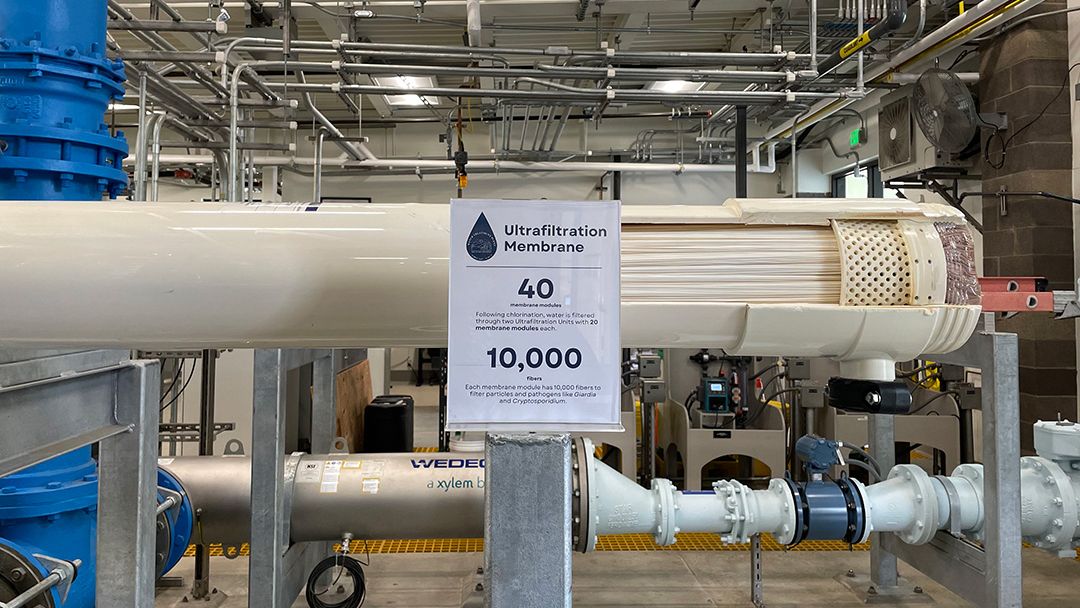 treatment in San Luis Obispo and expanding recycled water capacity in Monterey. In the last fiscal year alone, the State Water Board has invested $2 billion in water infrastructure projects, which will help secure more water for nearly half of the state’s population.
Also in California, infrastructure is up and running in Orange County that cleans 130 million gallons of wastewater to drinking water standards every day, and plans are in place to nearly double the amount of purified wastewater available in Los Angeles. The project in L.A. will enable the city to stop taking water from mountain streams above Mono Lake, which will help water levels rise in the lake.
In Idaho, the city of Boise is preparing to build its first wastewater treatment facility on a 76-acre plot in the southeastern part of the city. The plant will treat 6 million gallons a day, which will be returned to nearby business or injected underground to boost the city’s aquifer.
In Montana, a new $60 million water treatment facility will provide a vital new water source for agriculture in the region, which has seen five consecutive years of drought.
In the Colorado River Basin, new research found that reusing 40% of treated municipal wastewater could make a “dramatic difference” in the river’s water supplies. Currently, the seven states in the river basin only reuse about 26% of wastewater.
To address the long-term health of the Colorado River Basin, the Bureau of Reclamation recently announced a $200 million investment in water reuse projects in Arizona and Utah. The funds will support a project in Phoenix to boost the city’s water purification infrastructure, and another in southwestern Utah that aims to create a local, reliable, and drought-proof water source by treating and reusing wastewater.
In industry, companies like Amazon that are scaling up water-intensive infrastructure like data centers are expanding their use of water recycling to help offset water use. The company announced plans to expand its water recycling operations at 120 locations across the country by 2030, as part of its effort to be “water positive” by that year.
For more on Western Governors' bipartisan perspective on water management and reuse, read WGA Policy Resolution 2024-07, Water Resource Management in the West. In it, the Governors write, "Western Governors encourage adoption of strategies to sustain water resources and extend existing water supplies further through water conservation, water reuse and recycling, ground water recharge, desalination, reclamation of brackish waters, reservoir storage, and reductions in per capita water use."
Nuclear hub: in Utah, Governor Spencer Cox recently announced that major investments in nuclear power are coming to Brigham City in the northern part of the state. Alongside Mayor DJ Bott and representatives from Hi Tech Solutions and Holtec International – two companies involved in the project – Governor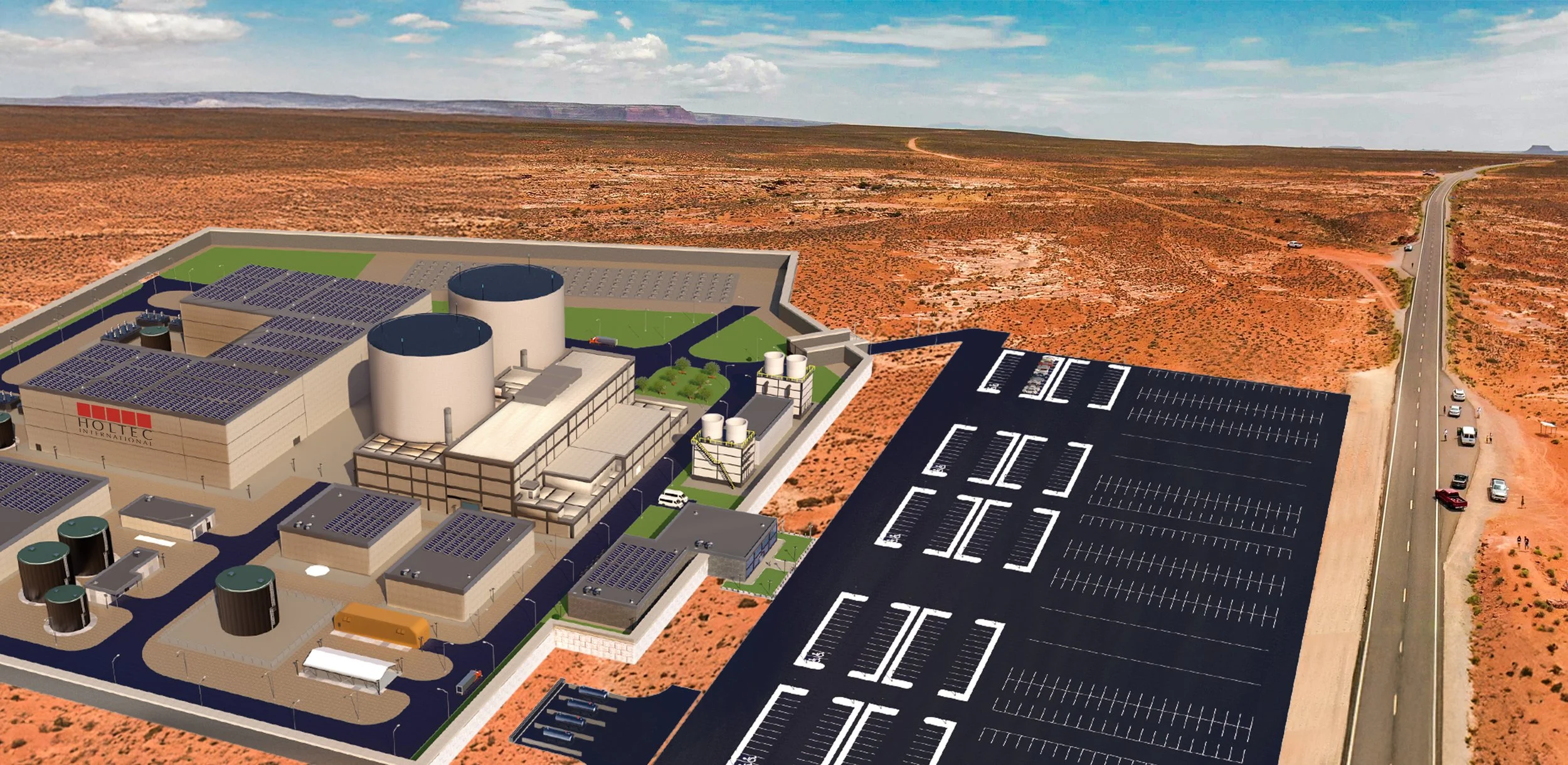 Cox announced plans for the development of multiple small modular reactors in the area.
Utah’s Department of Natural Resources Director Joel Ferry envisions power flowing from a nuclear generation facility in the city within 12 years.
“Energy security is national security, and Utah is stepping up to lead,” said Governor Cox. “As global competitors like China and Russia race to dominate next-generation energy, Utah is proving that America continues to lead through innovation and strength. This project is about securing our nation’s future and showing the world what American energy leadership looks like.”
For more on the future of nuclear energy, check out WGA’s first workshop for Governor Cox’s Energy Superabundance Chair initiative, which focused on nuclear power. You can watch the entire workshop – hosted at Idaho National Laboratory – on WGA’s YouTube channel.
Leading on adaptive reuse: adaptive reuse – the process of converting existing buildings into housing – is accelerating across the country, with western cities helping lead the charge. 2024 saw a 50% increase in housing units converted via adaptive reuse compared to 2023 and double the numbers from 2022.
Denver took the second spot on the list of cities with the most converted apartments, with 789 units completed in 2024. Denver is also situated among other western cities like Dallas and Los Angeles for the most adaptive reuse units coming available in the near future.
For more on western housing policy, including recommendations for adaptive reuse, check out the BRAND West initiative report from New Mexico Governor Michelle Lujan Grisham’s term as WGA Chair.
Reading across the West: in partnership with the Library of Congress Centers for the Book, PBS Books is hitting the road to celebrate the literary history of U.S. states. 
This week, American Stories: A Reading Road Trip is heading north to Alaska to explore the Last Frontier’s rich trove of literature, from Indigenous storytellers to writers like Jack London and Margaret Murie.
Check out this week’s event and more from PBS Books, including their recent episode from Wyoming.
Coal miner turned geothermal entrepreneur: in northwest Colorado, jobs in the coal industry are declining as the coal-fired Craig Station winds down operations ahead of its scheduled closure in 2028.
In response, local coal miner Matt Cooper is leveraging his experience with heavy machinery and energy production to launch his own energy venture in geothermal.
His company, High Altitude Geothermal, will be the first geothermal drilling business in the northwest corner of the state. It’s being backed by grants and tax relief from the state, which created the nation’s first Office of Just Transition in 2019 to support transitioning coal communities.
Read more about Matt Cooper’s story here, and find more on geothermal energy in the Heat Beneath Our Feet Initiative report from Colorado Governor Jared Polis’s term as WGA Chair.