08/06/26
Best of the West: Three years after the Lahaina wildfire. Plus, a boost for the nuclear industry; AI supercomputer in UT; Mental health innovation; and restoring PNW oak trees
_1.png)
The Western Governors' Association keeps you updated on the latest news in the West. Here are the top stories for the week starting August 3, 2026. (Photos courtesy of Adobe Stock Images, the Office of Hawaiʻi Governor Josh Green, and Idaho National Laboratory).
On August 8, 2023, one of the worst disasters in Hawaiian history struck the historic town of Lahaina. Fueled by intense winds of up to 70 miles per hour, a fast-moving wildfire engulfed much of the town in a matter of hours.
More than 100 people lost their lives that day, and the fire destroyed 2,200 structures, leaving 12,000 residents displaced.
As we mark the three-year anniversary on Saturday, WGA honors those who were lost and recognizes the immense and ongoing efforts to rebuild the community.
To hear directly from Governor Josh Green, as well as Lahaina residents, Mayor Richard Bissen, and county representatives, listen to a special episode of WGA’s Out West podcast. The episode digs into the ongoing recovery efforts in Lahaina and offers insights into how to rebuild the area while retaining its unique character and reflecting its storied history. 
You’ll hear firsthand accounts of the days and weeks after the fire from local residents and the Governor, and understand how the recovery effort is providing a window for locals to reconnect with significant natural and historical sites like Moku‘ula and Mokuhinia.
In the three years since the fire, the work has never ceased to support displaced residents and get rebuilding efforts off the ground. Alongside state, local, and federal partners, Governor Green quickly helped develop stable housing for thousands of wildfire survivors. This work included constructing entire interim housing communities like Ka La‘i Ola and Kīpūola Kauhale to provide Lahaina residents with affordable, stable housing.
When New Mexico Governor Michelle Lujan Grisham visited Maui in April for WGA’s Policy Forum, she remarked on the success of these initiatives, telling Governor Green, "I thought it was really effective the way in which you're leveraging both private dollars and state dollars so that you just built a community (for wildfire survivors)... I'm going to steal that model, which is exactly why I'm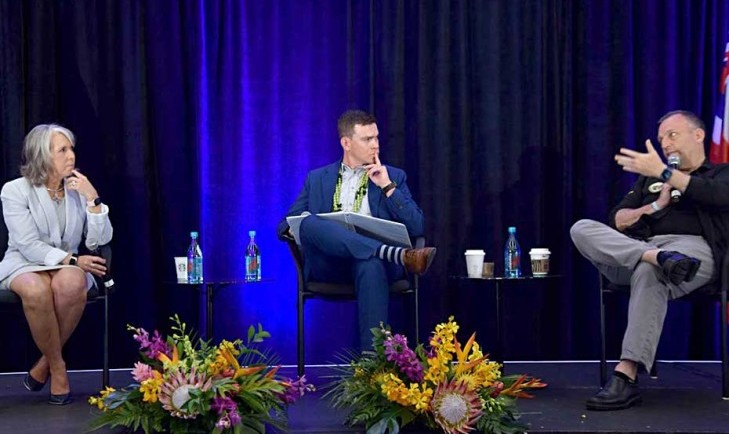 here."
Now, 100% of the wildfire debris has been cleared from town, and Lahaina residents and businesses are returning home. So far, at least 667 building permits have been issued, and 577 homes have already been completed. Meanwhile, rebuilding is ongoing in Lahaina’s commercial area with robust public input. Redevelopment aims to optimize walkability, safety, and public facilities while ensuring the area’s cultural character and rich history is retained. More on the recovery effort can be found at mauirecovers.org.
Just last month, the Maui Economic Recovery Commission’s Healing Journey Team hosted the inaugural Lahaina Homecoming, a three-day festival that welcomed home Lahaina residents and celebrated the community’s enduring spirit.
During WGA’s Policy Forum in April and again at WGA’s Annual Meeting in July, Governor Green reflected on all of the wisdom and support he has received from fellow Western Governors since the fires.
“I've learned a lot from these Governors who wrestle with wildfires constantly,” he said. “Our recovery has been predicated on the wisdom that they shared with me and the experiences we had with people all across the country who supported us as a state when we went through tough times.”
While Lahaina is a testament to recovery and community resilience, wildfire remains a constant threat to communities across our region. As western states battle ongoing fires and begin the long process of recovery, WGA will continue facilitating collaboration and coordination between Governors, many of whom have become all too familiar with fire.
Federal boost to nuclear power: last month, the Department of Commerce awarded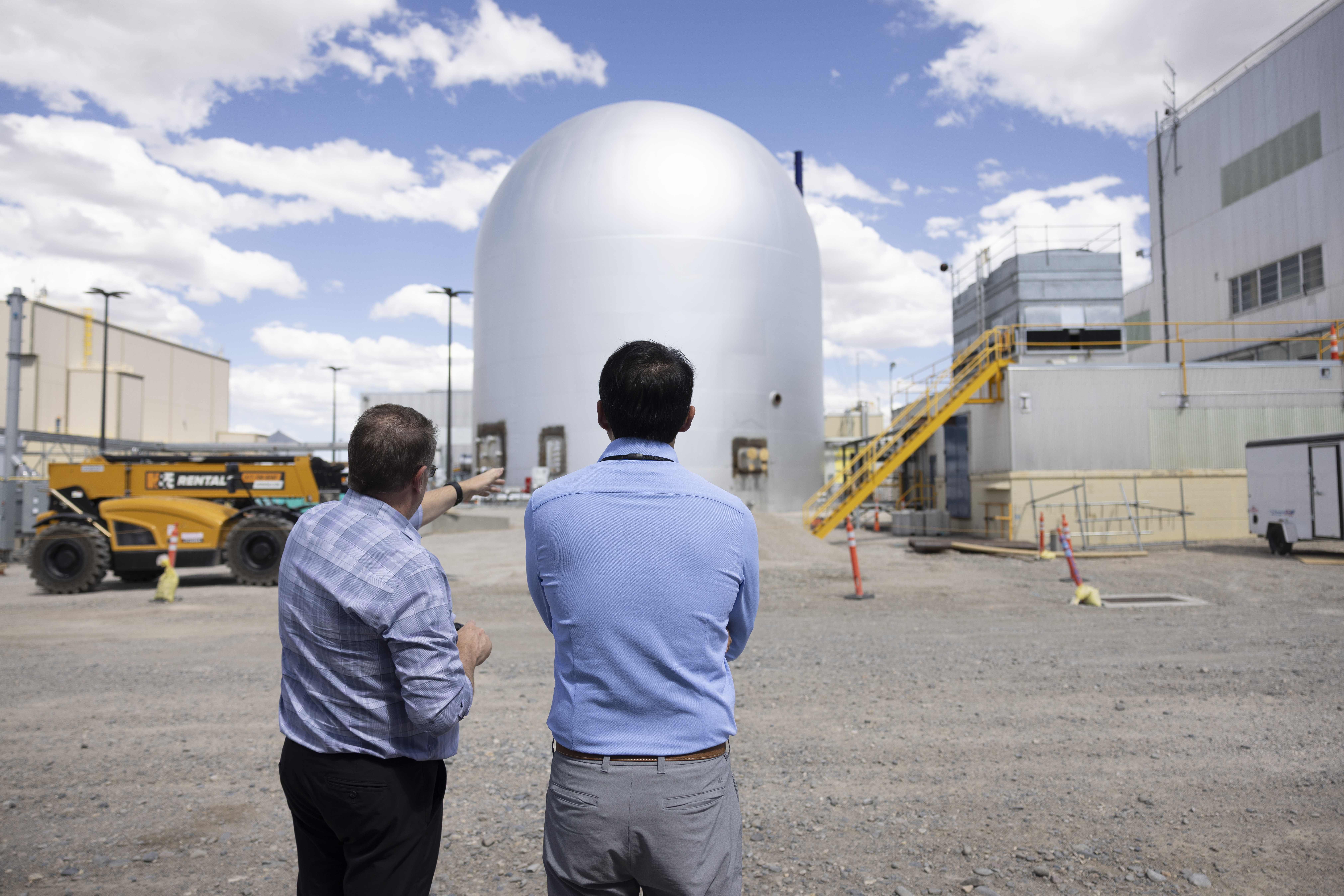 the Intermountain West Nuclear Energy Corridor Tech Hub $31 million to help boost reactor deployment and speed up the commercialization of next-generation reactors.
The Tech Hub is comprised of 45 partners across Idaho and Wyoming with the goal of accelerating development of nuclear energy technology and increasing American competitiveness in advanced energy and manufacturing technology.
Private matching funds from partner organizations brought the total investment to over $40 million.
For more on nuclear energy innovation in the West, read the Energy Superabundance initiative report, which was released last month at WGA’s Annual Meeting.
Top AI supercomputer in Utah: last month, the University of Utah unveiled one of the fastest and most energy-efficient AI supercomputers in the world. The computer – known as Redtail – will be incorporated into an AI computing ecosystem in Utah that officials say will be used for accelerating lifesaving scientific discoveries, supporting workforce training, and driving innovation in manufacturing, agriculture, aerospace and more.
“I believe Redtail is more than one of the world’s fastest and greenest supercomputers, it is the foundation of Utah’s AI future,” said University President Taylor Randall. “We are building an AI ecosystem with our partners where researchers, students, entrepreneurs and communities can use AI to solve society’s greatest challenges. Because we believe the future of AI will be measured not just by the speed of our computers, but by the impact it will have on people’s lives.”
Redtail ranked number 159 for performance and number 76 for energy efficiency on the global top 500 list. It’s considered the 5th most powerful computer at any public university in the country.
Youth Mental Health Corps: a growing number of states – including 10 in the West – are rolling out a new initiative that places near-peer mental health navigators in schools to help students access mental health care while helping launch young professionals’ behavioral health careers.
The idea is to place aspiring mental health providers ages 18 to 29 in school settings, who can sometimes be more approachable than older, more established mental health professionals. While aiming to normalize mental health care and encourage students to seek support, the program also offers valuable hands-on experience and training to Corps members, who then often pursue careers in behavioral health.
The program is expanding to 16 states for the coming school year, with plans to cover more than half of the country in the following year. For more on innovative strategies to provide better access to mental health care, get involved with Hawaiʻi Governor Josh Green's Health Beyond Healthcare WGA Chair initiative.
Restoring the oak: in the Pacific Northwest, only about 10% of the area's historic oak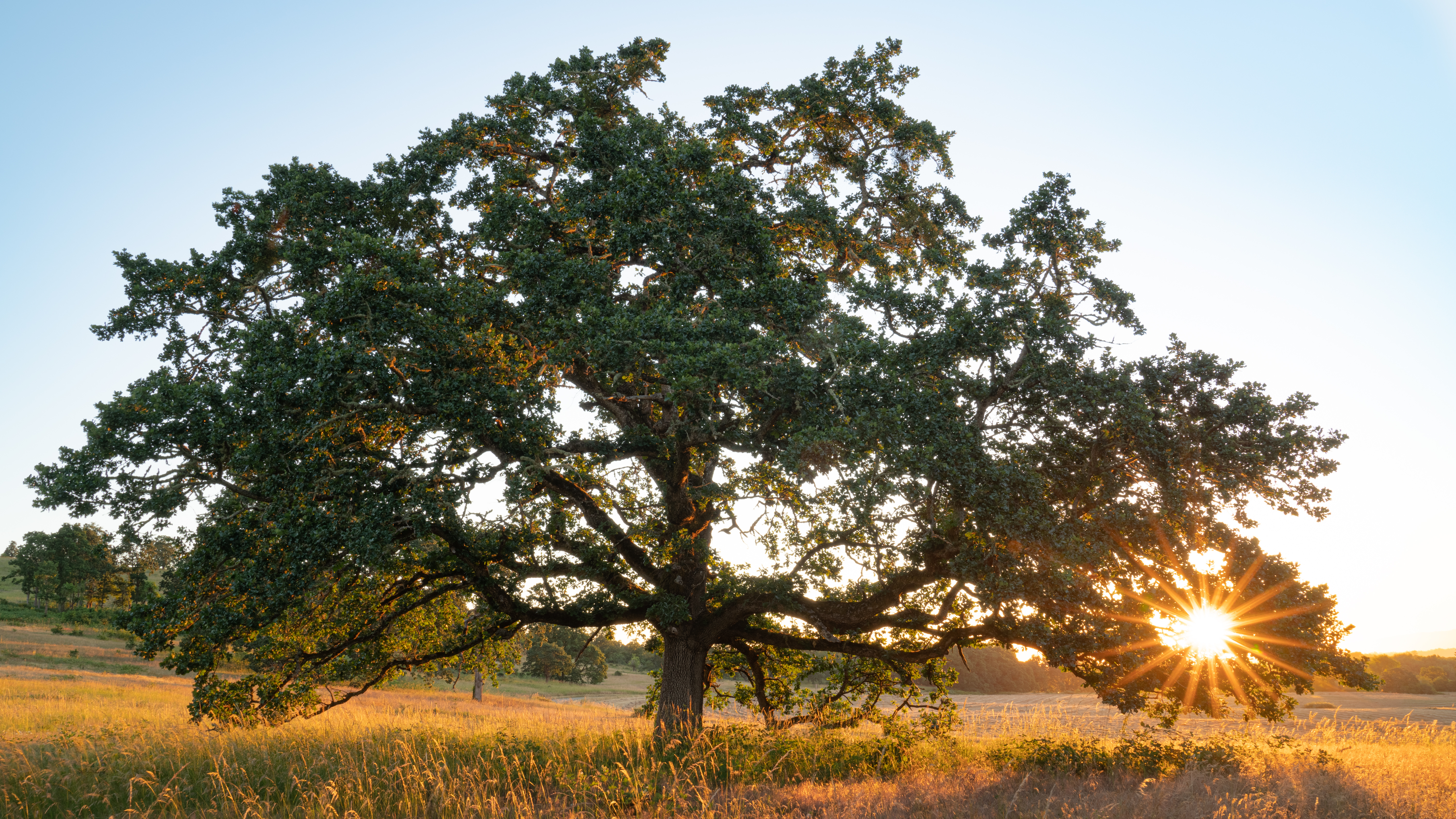 habitat remains. Now, environmental and tribal groups in northern California and Oregon are working to restore wide swaths of the landscape for oak trees, which are naturally fire resistant and provide important habitat for many different bird species.
Oak trees are often crowded out by firs on the modern landscape, especially in the absence of regular, low-intensity fires. Groups are working to clear firs away from traditional oak habitat and employ prescribed burns to keep the fire-adapted oak trees healthy. So far, thousands of acres of oak habitat have been restored, with thousands more to go.