08/13/26
Best of the West: Restoring the whitebark pine. Plus, quantum in Utah; supporting coal communities in the Four Corners; rare images of the sun’s surface, and a land speed record
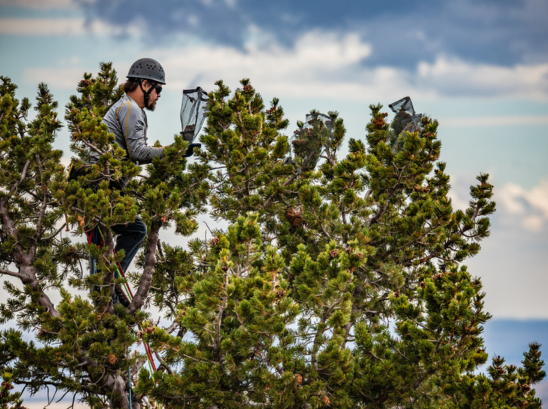
The Western Governors' Association keeps you updated on the latest news in the West. Here are the top stories for the week starting August 10, 2026. (Photos courtesy of Forest Service Northern Region / Erika Williams, Glacier National Park, Plum Pine, and NSO/AURA/NSF).
The whitebark pine is a keystone species across the western landscape. These resilient trees grow in some of the harshest conditions possible, sometimes at elevations as high as 12,000 feet.
As a keystone species, whitebark pine are essential to the success of other plants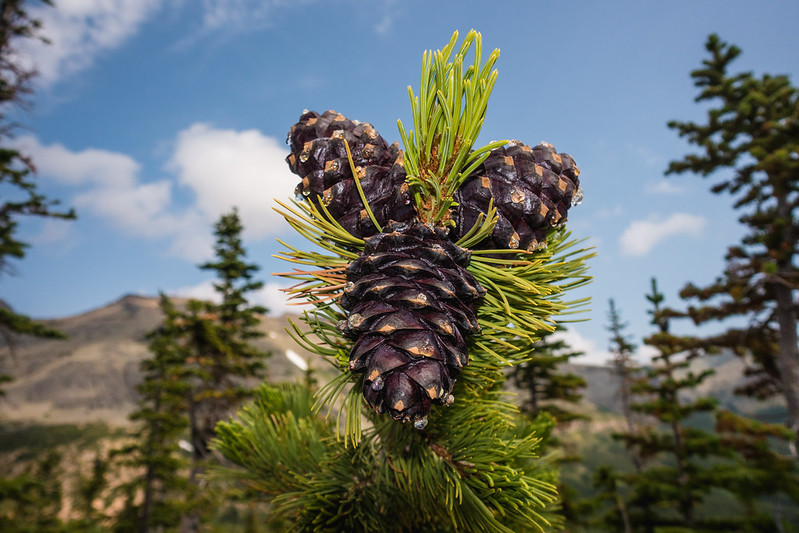 and animals in high-elevation environments. They are the first trees to establish and break the wind in harsh alpine conditions, giving other plants a chance to thrive. Their seeds – which have more calories per gram than chocolate – provide a crucial food source to dozens of animals, from the Clark’s nutcracker to the grizzly bear.
The trunks of whitebark pines also anchor the snowpack in the winter and slow down the release of fresh meltwater to valleys below, which regulates the water supply for communities across the region. With a range of 80 million acres, crossing seven western states and extending into Canada, the whitebark pine is also historically and culturally significant to indigenous communities and tribes.
Today, however, the whitebark pine is threatened in multiple ways. The most pressing threat comes from an invasive fungus called white pine blister rust, which has already wiped out an estimated 325 million trees. Another threat comes from mountain pine beetles, which bore into trees and disrupt the flow of nutrients. Compounding these challenges are changes to temperature and precipitation patterns at high elevations, which are making pines more susceptible to fires, disease, and pests.
Though the threats to whitebark pine are extensive, land managers, indigenous groups, national parks, and researchers are finding success with innovative restoration and management techniques.
Researchers at sites across the West, such as the Dorena Genetic Research Center in Oregon, have been exploring genetic resistance to blister rust by identifying and reproducing seedlings with natural resistance to the fungus. About a quarter of the trees tested at the site in Oregon have shown resistance, and thousands of those seedlings have already been planted at Crater Lake and other sites in the Northwest.
In the Yellowstone area, the Forest Service Cour d’Alene Nursery sent nearly 300,000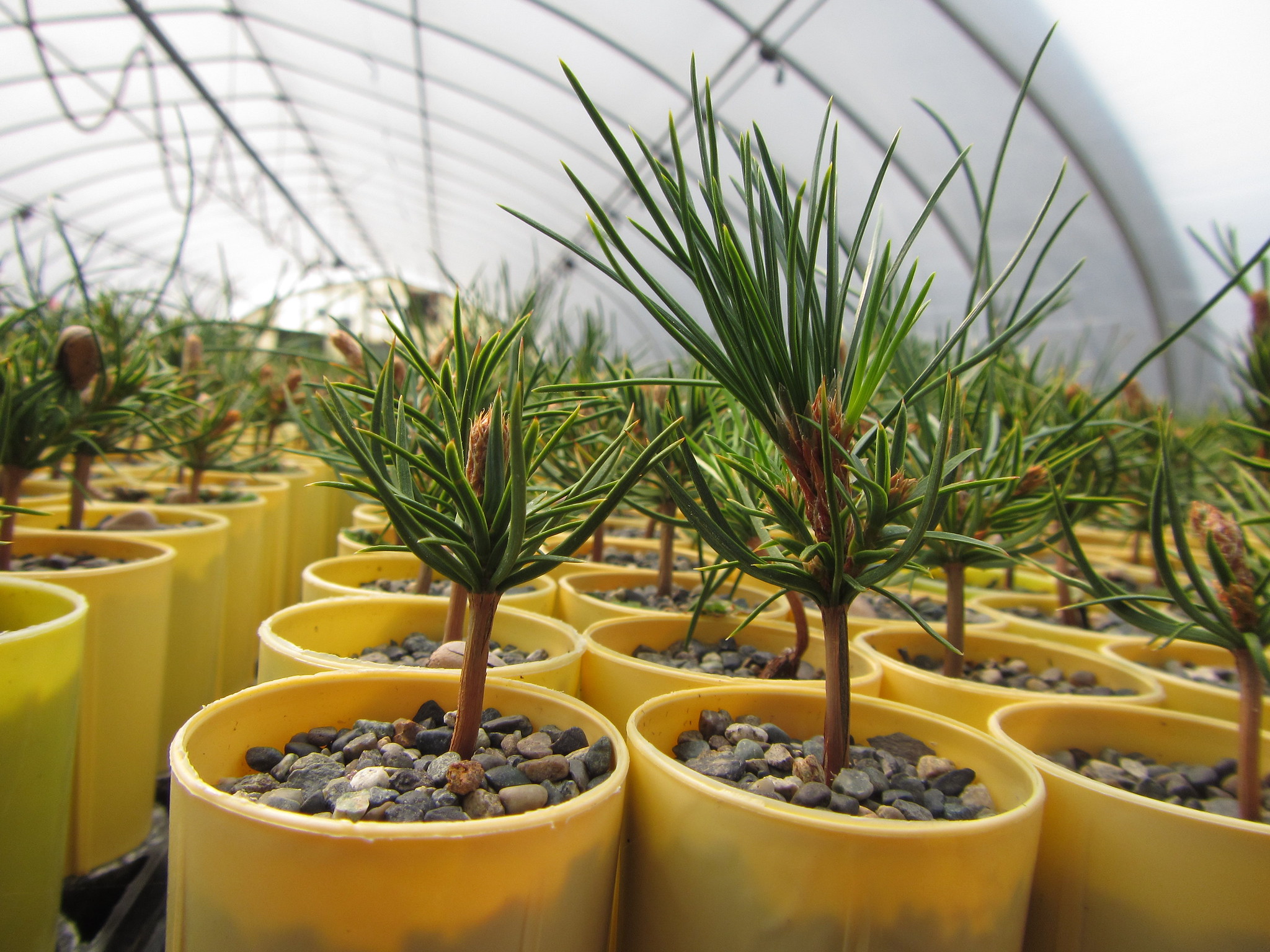 disease-resistant seedlings to national forests and national parks in Wyoming, Montana, and Idaho between 2021 and 2025. Their work also includes mapping and environmental research to determine where to plant seedlings with the best chance of survival.
In western Montana, where some areas have seen a 90% decline in whitebark pine, the Confederated Salish and Kootenai Tribes have collected enough disease-resistant seeds to repopulate the tribe’s 105,000 acres of whitebark pine habitat. Leaders of the restoration program hope to eventually plant enough trees to reintroduce seeds as food for tribal ceremonies.
In 2023, scientists at the University of California-Davis mapped the species' genome with the hope of identifying the specific genetic markers that indicate resistance. This work could potentially shortcut the long and expensive process of identifying naturally resistant trees on the landscape.
Given the success of planting genetically resistant seedlings, as well as pheromone treatment against pine beetles and other tactics, groups like American Forests agree that the decline of whitebark pine is a solvable problem. It will require continued collaboration between federal agencies, nonprofit organizations, tribal groups, and others, as well as adequate resources dedicated to the effort.
Quantum in Utah: this week, Utah Governor Spencer Cox signed an executive order to create the Utah Quantum Initiative and boost the state’s quantum tech development. A few priorities of the initiative will be to build workforce development pathways in the industry and support the commercialization of quantum technologies.
“Quantum technology is going to change how we compute, communicate, manufacture, discover new medicines, and defend our country, and Utah has the people and infrastructure to help lead that transformation,” Governor Cox said.
Tune into a recent episode of WGA’s Out West podcast to learn more about quantum in the West from Colorado Governor Jared Polis and regional physicists, researchers, and professors.
Four Corners economic development: for decades, tribal communities in the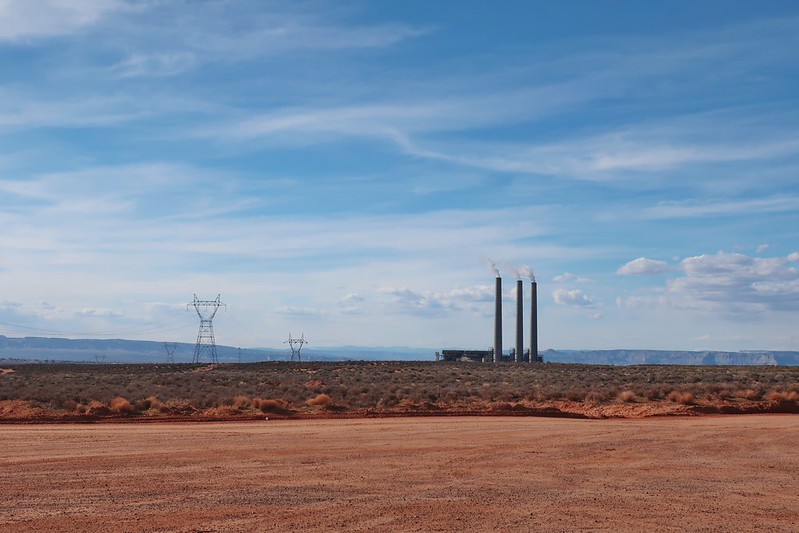 Southwest helped power the region via coal mines and power plants in the Four Corners. With the closure of facilities like the Navajo Generating Station and Kayenta Mine, these communities lost thousands of jobs and millions in annual revenue.
To help support economic development and honor tribal sovereignty, Arizona Governor Katie Hobbs signed a Memorandum of Understanding this week with Hopi Tribe Chairman Lamar Keevama and Navajo Nation President Buu Nygren. The agreement will bring together state and tribal governments to share resources and build strategies to support economic development in coal-impacted communities.
“I am proud to enter into this agreement with the Hopi Tribe and Navajo Nation, reinforcing our shared commitment to State-Tribal cooperation and promoting new economic opportunities for Tribal communities,” said Governor Hobbs. “Creating partnerships that affirm Tribal sovereignty and strengthen Arizona’s economy is key to delivering the Arizona Promise.”
Never-before-seen solar images: scientists with the U.S. National Science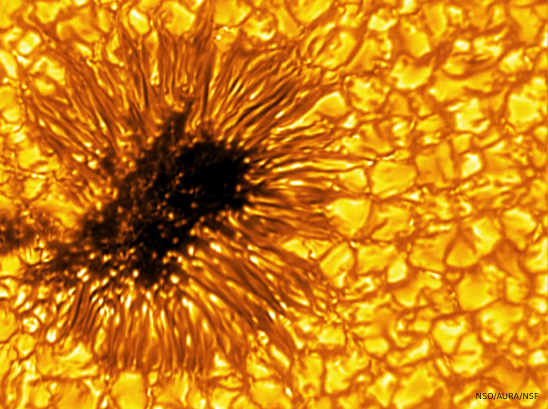 Foundation National Solar Observatory recently made a major breakthrough in solar physics using the world’s most powerful telescope near the summit of Haleakalā on Maui.
The research revealed the signature of the Kelvin-Helmholtz instability, evidenced by tiny swirling patterns on the sun’s surface. Researchers believe the findings could point to clues about why the sun’s outer atmosphere gets so hot, and why magnetic energy builds up around the sun.
It also produced the highest-resolution images of the Sun ever taken, shown to the right.
Land speed record: this week, British driver Andy Green took to the Bonneville Salt Flats in Utah to attempt to break the land speed record for a hydrogen-powered car.
Green left no doubt with his run, besting the previous record by more than 200 miles per hour and topping out at over 406.
“It’s magic to be able to showcase this technology and to showcase how good the engineering is on the best racing surface in the world, Bonneville Salt Flats,” Green told The Associated Press.