04/30/26
Best of the West: Replanting western forests; National Apprenticeship Week; Nuclear test bed; New state parks; and the future of critical minerals
.png)
The Western Governors' Association keeps you updated on the latest news in the West. Here are the top stories for the week starting April 27, 2026. (Photos courtesy of Adobe Stock Images, the Office of Montana Governor Greg Gianforte, The U.S. Department of Energy, and the Office of California Governor Gavin Newsom).
Every year, millions of acres of forest burn in wildfires across the West. As more acres burn, the amount of land that must be replanted grows faster than land managers can keep up with.
As a result, the "reforestation gap" between the areas that need to be reforested and our capacity to replant them has grown to roughly 4 million acres. The Forest Service estimates that this gap will double or triple by 2050.
While there are many hurdles in the reforestation process – from workforce challenges to planting logistics and cost – one of the main impediments to successful reforestation at scale is the availability of seeds.
This seed shortage is something that New Mexico Governor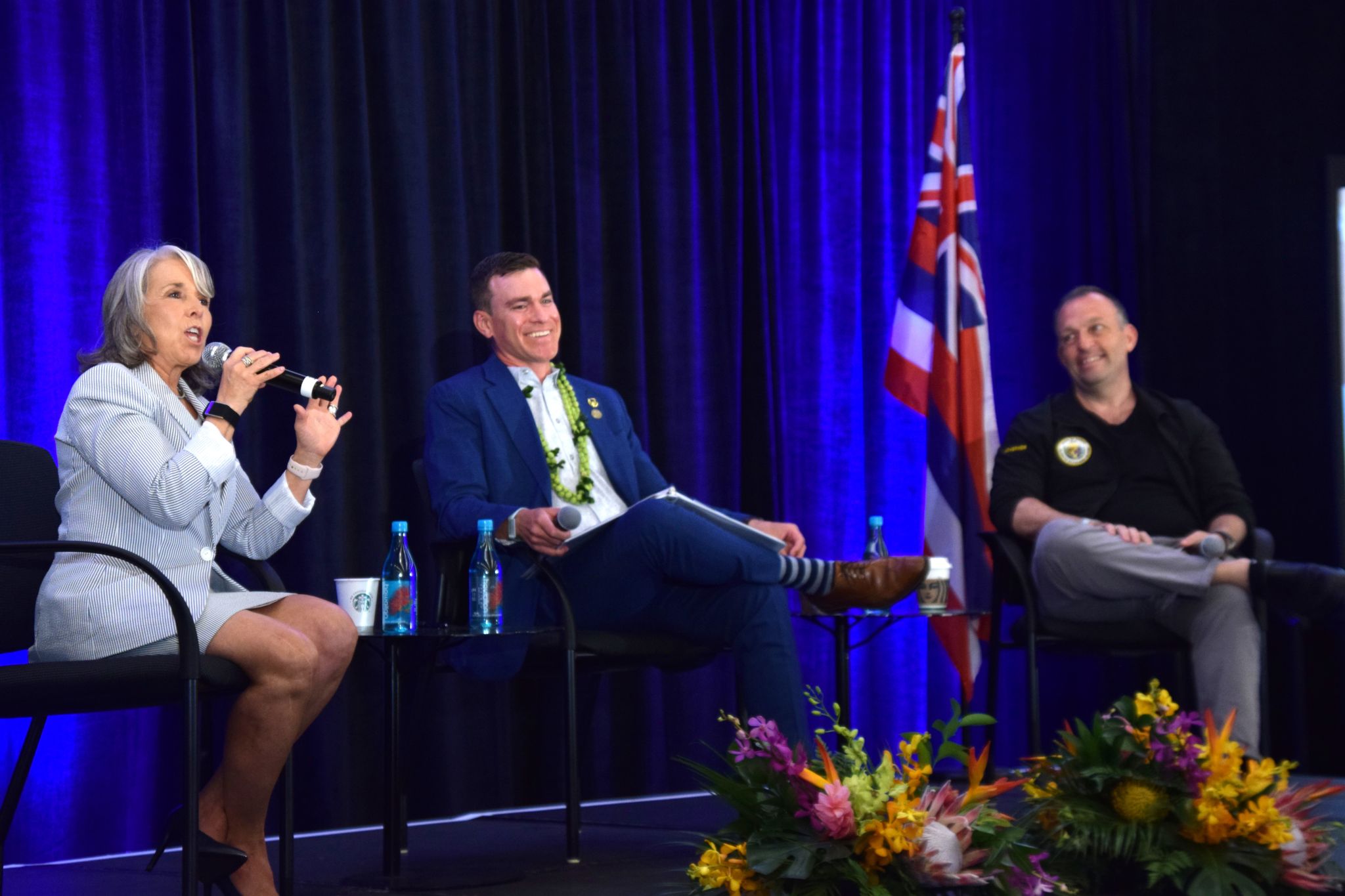 Michelle Lujan Grisham discussed with Hawai‘i Governor Josh Green at WGA’s 2026 Policy Forum in Hawai‘i last week. Governor Lujan Grisham emphasized the immense challenge of sourcing enough seeds and ensuring their ability to survive in New Mexico’s climate, especially following large wildfires like the 2022 Hermit’s Peak/Calf Canyon fire. That burn scar alone will require 17.6 million seedlings.
“I have to replant an entire forest and mountain range,” said Governor Lujan Grisham. “Replanting a mountain range is a complicated aspect when there's only one place to get trees in America that the USDA supports, with trees that are not acclimated to the West or to the elevations or the drought conditions in New Mexico.”
In response to this challenge, New Mexico created its own reforestation center to produce seedlings that can thrive in New Mexico’s mountains. Now, the State Forestry Division, the University of New Mexico, New Mexico State University and New Mexico Highlands University are set to break ground on a massive new facility.
The project will add 155,000 square feet of greenhouse capacity to help scale up the seed-to-seedling-to-tree restoration process. The center will ultimately produce 5 million seedlings every year.
In addition to producing a large enough quantity of seeds, the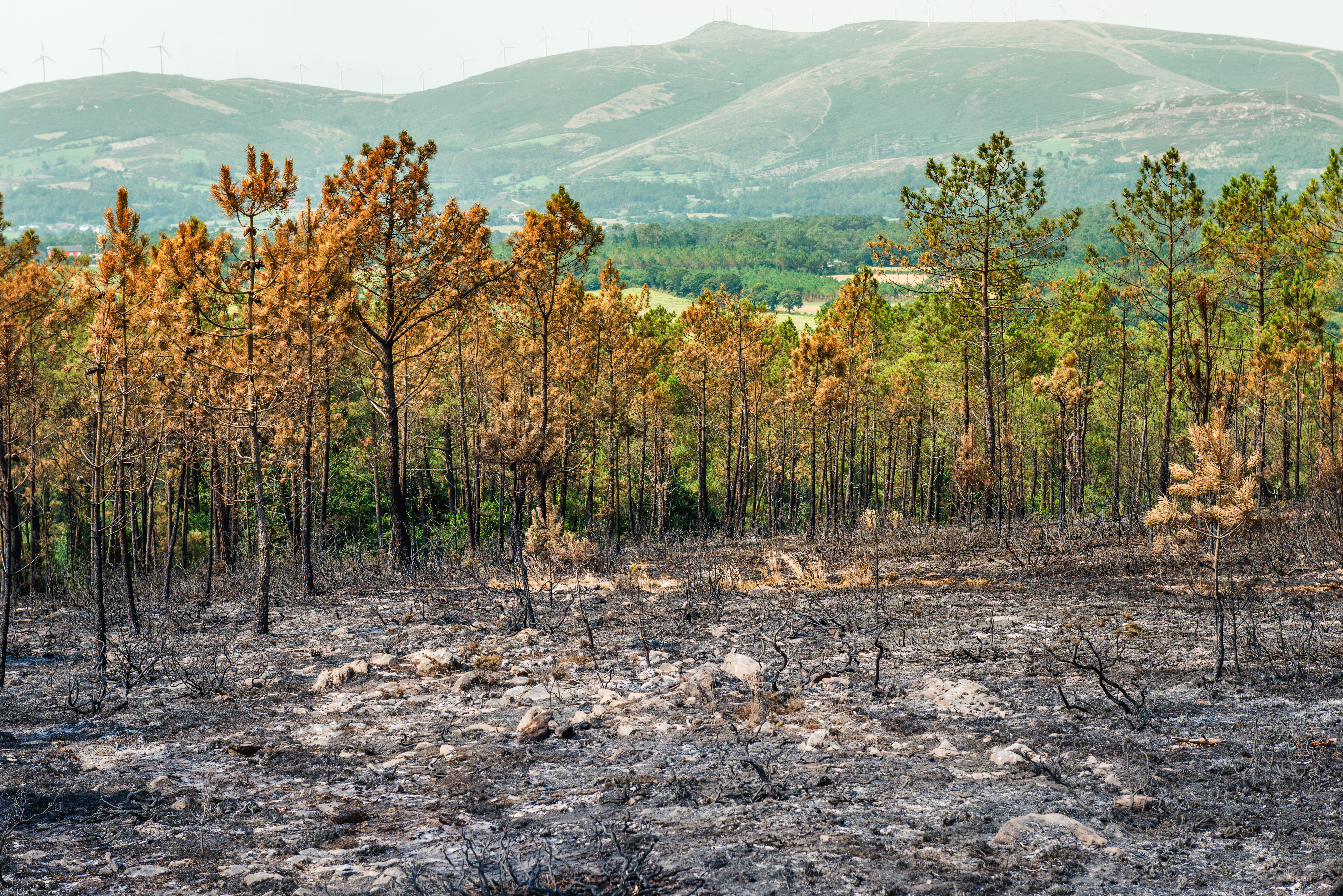 New Mexico Reforestation Center is also focused on growing seedlings that are adapted for New Mexico’s changing climate. Researchers are experimenting with the effects of elevation, drought, and other environmental factors to ensure that their seedlings have the best chance to thrive.
Similar work is ongoing in Colorado through Colorado State University’s Forest Restoration Institute. Researchers and students at CSU are working to understand how to promote recovery in burn scars, using the site of the Cameron Peak Fire as their test plot. Every summer, students and researchers plant different tree species while tracking elevation, shade patterns, and countless other elements. They will use the data to determine which tree species will grow best in future forests and where they should be planted.
Numerous other states across the West like Nevada and Idaho are hard at work collecting seeds, researching and cultivating resilient seedlings, and racing to close the reforestation gap as wildfires continue to burn vast areas of the West.
To watch the full conversation between Governors Green and Lujan Grisham – as well as each other panel from last week’s Policy Forum on disaster recovery and response – visit WGA’s YouTube channel.
National Apprenticeship Week: it’s National Apprenticeship Week, which showcases and celebrates Registered Apprenticeships for strengthening the economy and developing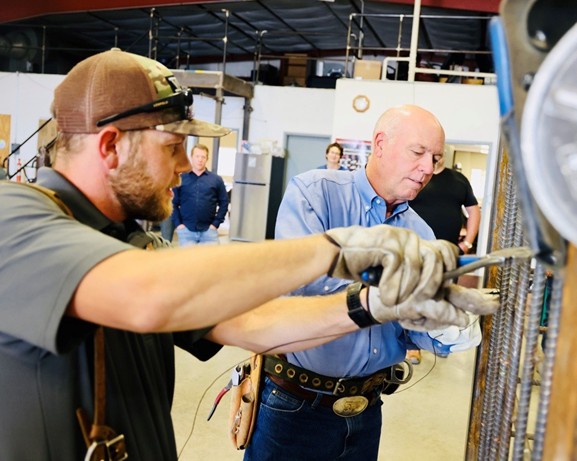 a highly skilled workforce.
Across the West, Governors made proclamations and hosted celebrations in their states to highlight apprenticeship programs. States like Montana saw record growth in Registered Apprenticeship participation in 2025, while Idaho Governor Brad Little announced the Gem State’s goal to double its number of Registered Apprenticeships in the next three years.
For more on Western Governors’ bipartisan policy on apprenticeship programs and workforce development, read WGA Policy Resolution 2025-03, Workforce Development in the Western United States.
DOME nuclear test bed: earlier this month, the Department of Energy announced that its first-of-its-kind nuclear microreactor test bed was officially completed at the Idaho National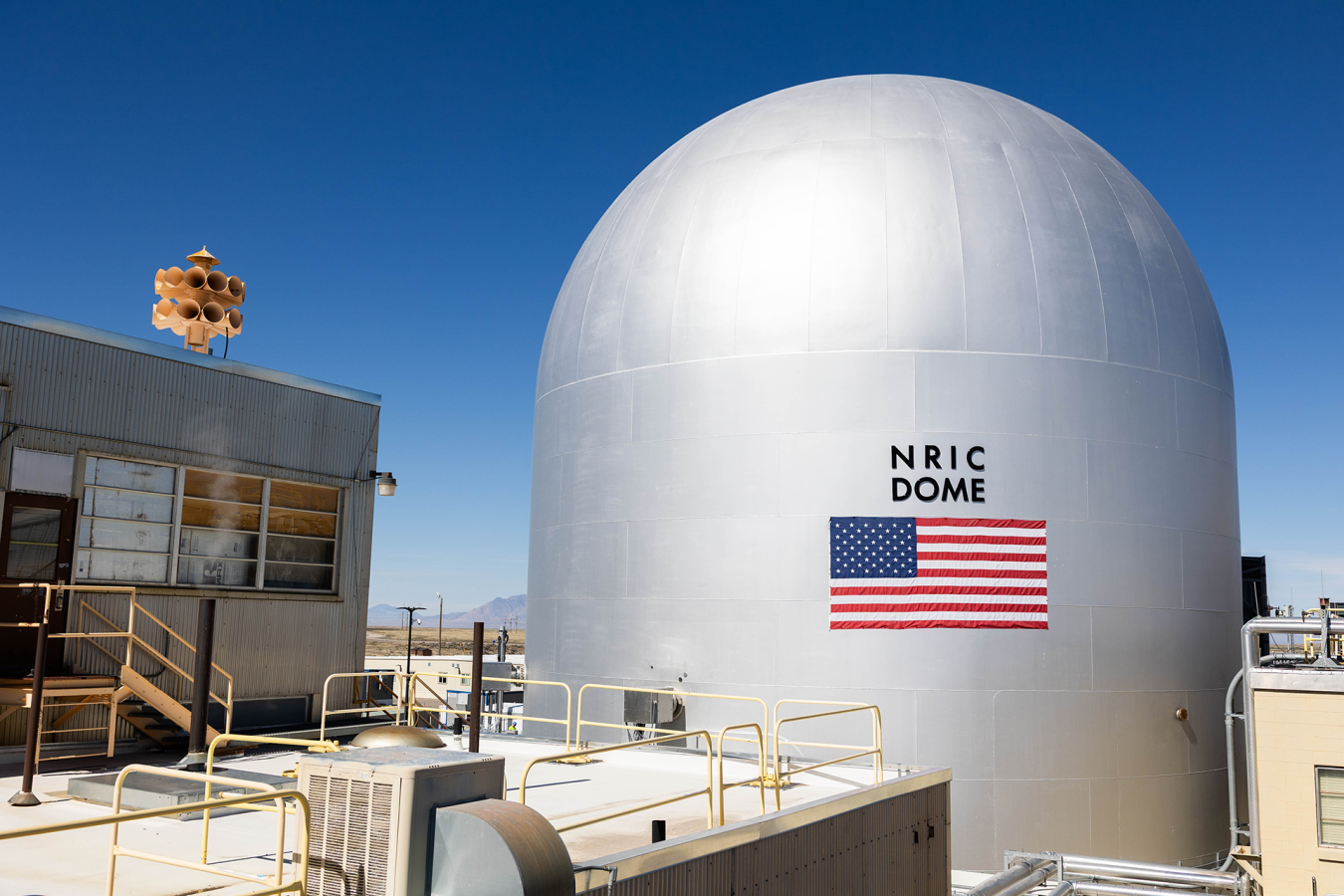 Laboratory.
The Demonstration of Microreactor Experiments (DOME) test bed is a 100-by-80-foot dome, designed to provide a safe environment to test experimental nuclear microreactor concepts.
“DOME represents the kind of bold and creative infrastructure investment that America's nuclear resurgence demands,” said INL Director John Wagner. “We are accelerating the next generation of nuclear innovators from concept to demonstration at a pace the industry has not seen in decades.”
For more on nuclear power in the West, watch the first workshop of Utah Governor Spencer Cox’s Energy Superabundance initiative, which was hosted at Idaho National Laboratory last year.
New California State Parks: on Earth Day last week, California Governor Gavin Newsom announced a major expansion of the state park system, adding three new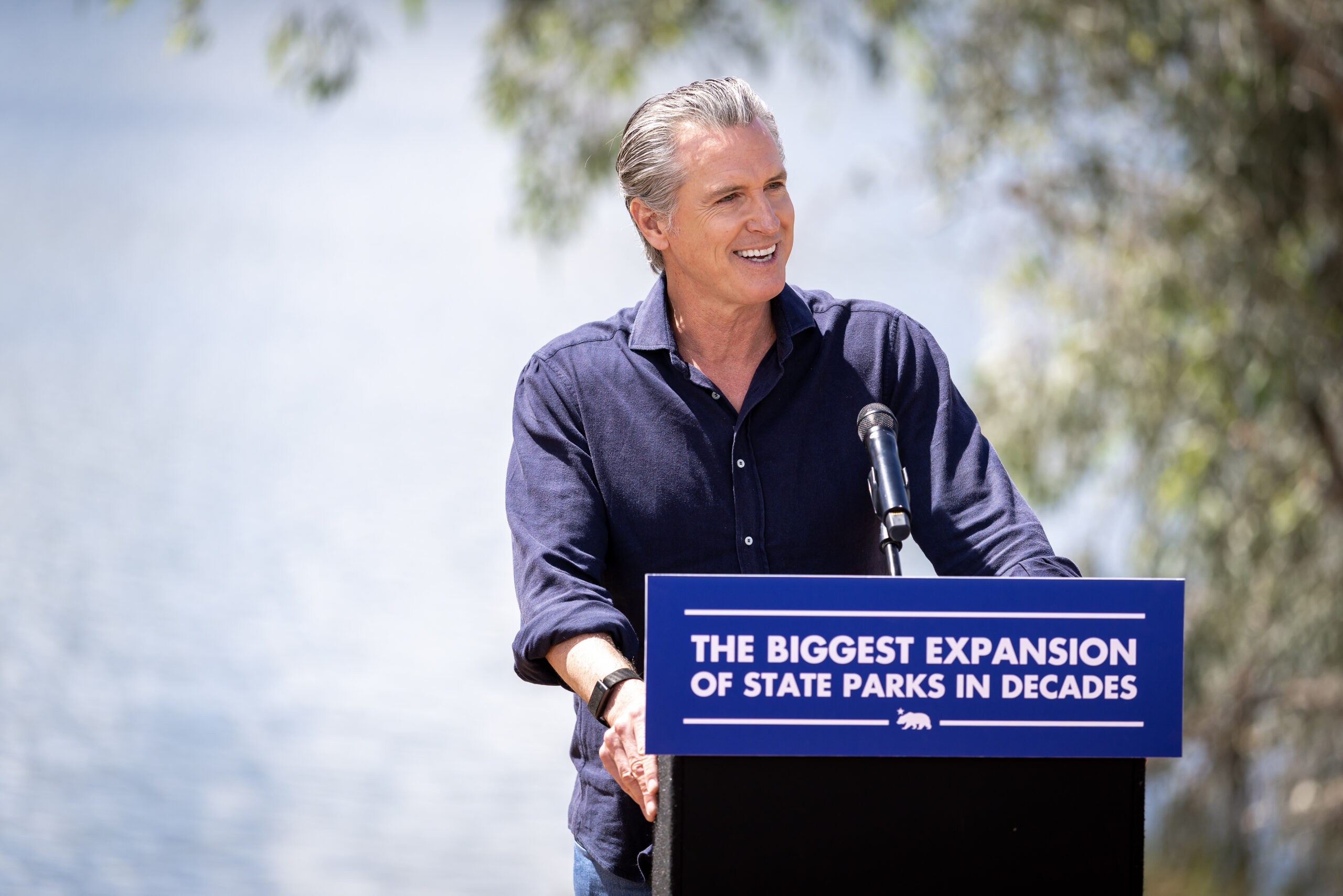 state parks in the Central Valley.
The new parks will be located near communities that have traditionally had fewer opportunities to enjoy the parks system. New parks include Feather River Park in Yuba County, San Joaquin River Parkway in Fresno and Madera counties, and Dust Bowl Camp in Kern County.
The state is also working to add thousands of acres of public lands to existing state parks, with the goal of adding 30,000 acres by the end of the decade.
Future of critical minerals: earlier this month, the University of Utah announced its new Institute for Critical and Strategic Minerals, which will help expand the domestic critical mineral supply chain through education and research.
The Institute will bring together experts from the colleges of Mines and Earth Sciences, Engineering, Law, Business and Social and Behavioral Science to support Utah’s push to become a major producer of critical minerals.
“With legislative support from state leaders, Utah is taking a decisive step to lead in critical minerals,” said Taylor Randall, president of the University of Utah. “Working with industry and governmental partners, the Institute for Critical and Strategic Minerals will position Utah as the nation’s hub for critical mineral production, processing and research—driving economic growth, strengthening supply chains and advancing discoveries that matter.”