07/09/26
Best of the West: Nuclear superabundance; NM mental health app; TR Presidential Library; Detecting fires from space; Record-breaking row; and mapping the world’s seagrass
The Western Governors' Association keeps you updated on the latest news in the West. Here are the top stories for the week starting July 6, 2026. (Photos courtesy of Adobe Stock Images, Theodore Roosevelt Presidential Library, the Office of California Governor Gavin Newsom, and Kelsey Pfendler/Instagram).
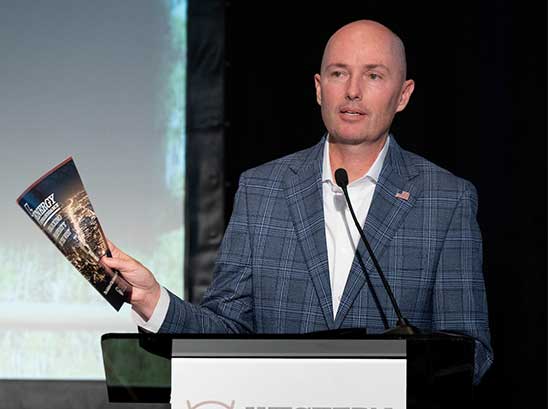
Last week, Utah Governor Spencer Cox officially concluded his term as WGA Chair with the release of the Energy Superabundance initiative report. The report condenses a year of in-depth policy discussions and research into a set of federal policy recommendations aimed at increasing the production, transmission, and storage of energy.
An important subset of the report’s recommendations focus on developing and deploying nuclear energy across the region. Given the promising trajectory and recent growth in the nuclear industry, these recommendations could hardly come at a better time.
Let’s take a look around the region at some recent advancements in nuclear energy, and how Western Governors’ recommendations could take the industry even further.
In the early morning hours on July 4, Aalo Atomics announced that its nuclear reactor had “gone critical”, meaning it had demonstrated a self-sustaining chain nuclear reaction at its test site at Idaho National Laboratory (INL).
Aalo was the fourth private company to turn on a reactor in just the past few weeks, helping surpass the Trump Administration’s goal of bringing three privately developed reactors online by Independence Day.
While the milestone does not mean reactors are ready for commercial use, it does represent a significant step for the industry, and it could set these reactors on a path to delivering reliable energy within the next few years.
All four companies to go critical so far are currently housed in the West. Antares powered on its reactor at INL in early June, followed by Valar Atomics’s reactor in Utah, and Deployable Energy’s reactor, also at INL.
At WGA’s Energy Superabundance workshop last September, which was hosted by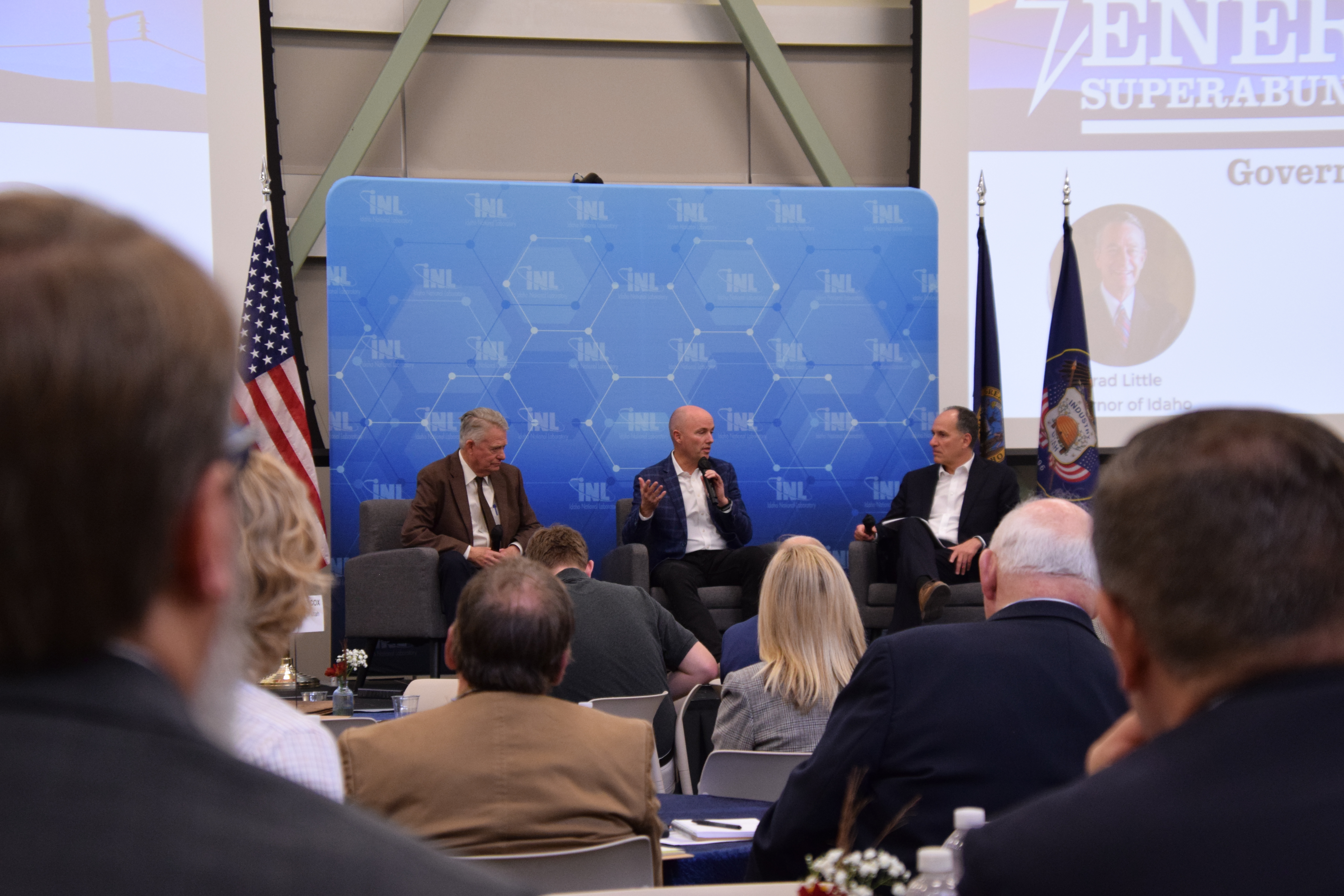 Idaho Governor Brad Little at INL, Governors Cox and Little joined experts from the private sector and federal agencies to discuss ways to bring more reactors like these online. Watch all of those discussions on WGA’s YouTube channel, and read specific recommendations to promote new reactor development and deployment in the Energy Superabundance report.
In other nuclear news, the Trump Administration recently announced plans to roll out $17.5 billion in loans to speed up the development of 10 new large-scale nuclear reactors. The projects could begin construction as soon as 2030 and be operational by the mid-2030s.
Only two large nuclear reactors have been built in the US in the past few decades, but renewed interest, rising energy demand, and a more robust nuclear supply chain has the industry primed for a resurgence.
New Mexico mental health app: the state of New Mexico recently launched a new app – known as Navi – that's designed to help young people connect with mental health resources long before they reach a crisis. The free app will help teens between the ages of 13 and 18 access tools for managing stress and navigating everyday challenges.
Strategies like Navi that focus on improving health and well-being before a patient reaches a doctor’s office will be a primary focus of Hawaiʻi Governor Josh Green’s WGA Chair initiative this year. His Health Beyond Healthcare initiative will help expand access to mental health care, while addressing the broader factors that shape health and well-being.
Learn more about Governor Green’s initiative here.
Roosevelt library opens: on July 4th, the Theodore Roosevelt Presidential Library officially opened its doors in Medora, North Dakota. The 96,000-square-foot library is designed to honor the former president while encouraging civic engagement and responsibility.
On the eve of the museum’s opening, all living North Dakota Governors, past and present, gathered in Medora. The assembled Governors represented the past 34 years of North Dakota leadership, and featured Ed Schafer, 1992-2000; John Hoeven, 2000-2010; Jack Dalrymple, 2010-2016; Doug Burgum, 2016-2024; and current Governor Kelly Armstrong.
Other state and federal leaders spoke at the museum leading up to its opening, including President Trump last Wednesday.
Fire detection from space: this week, California Governor Gavin Newsom announced the launch of the first three FireSat satellites from Vandenberg Space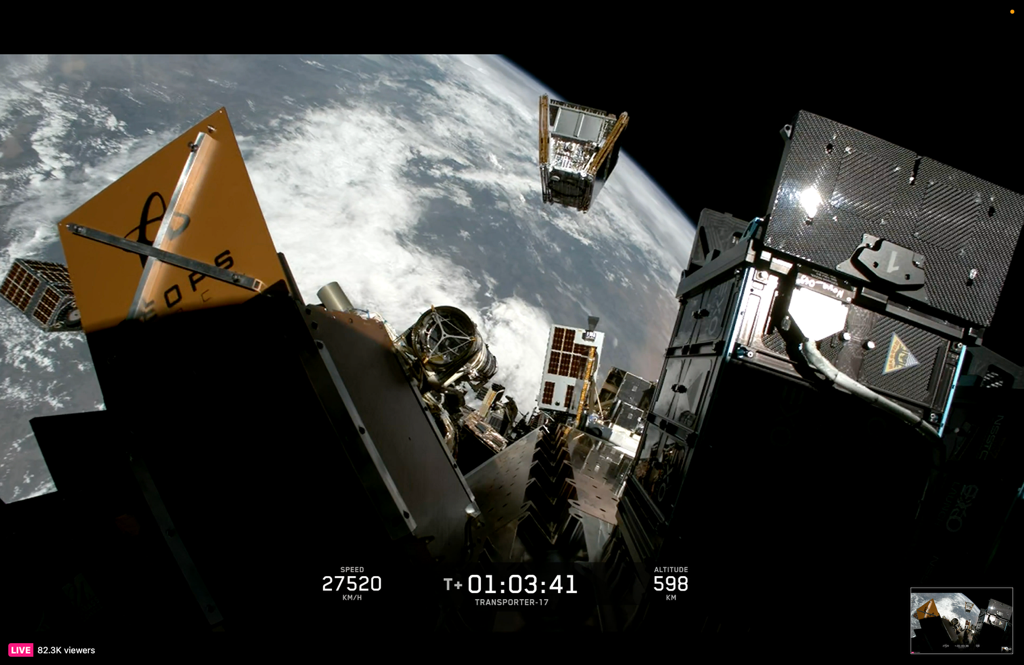 Force Base in California. The satellites are specifically designed to detect wildfires and deliver real-time data to firefighters and land managers. By 2030, FireSat hopes to deploy a full constellation of more than 50 satellites that can cover the entire planet every 20 minutes and detect fires as small as a schoolyard.
“FireSat is about more than satellites in the sky; it’s about protecting families, firefighters, and communities that live with the fear of wildfire every summer,” said Governor Newsom. “We are proving that when we invest in science, in technology, and in one another, we can turn the tide on these fires and build a safer, more resilient future.”
Record-breaking rowing: Last week, 32-year-old Kelsey Pfendler became the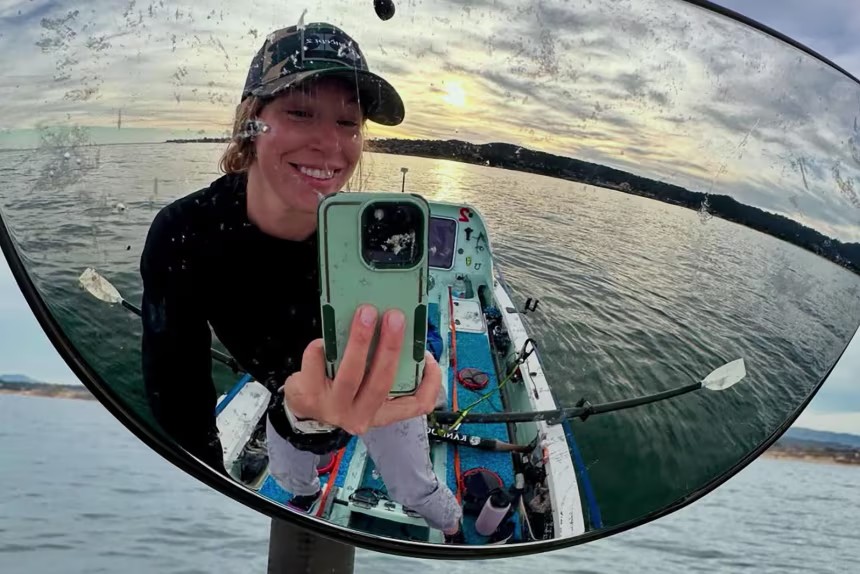 youngest and the fastest person to row solo from California to Hawaii. She also became the first American woman to complete the feat.
The 2,300-mile journey from central California to Honolulu took her just 43 days, cutting the previous record in half. Pfendler had amassed a substantial online following over the course of her journey, and she posted daily updates to her hundreds of thousands of followers.
Mapping seagrass: researchers at Arizona State University recently mapped out seagrass fields around the world, which provides a new window into how seagrass can prevent coastline erosion, filter water, and store carbon.
Experts compare seagrass – which has roots and traits similar to plants on land – to rainforests under water. Unlike rainforests, however, scientists don’t know exactly how expansive these forests are. The ASU study helps clarify the size and scale of seagrass fields, which they found capable of storing as much carbon as could be emitted by 500 million cars in a year.