09/17/26
Best of the West: National Clean Energy Week; Housing progress in Oregon; Once-in-a-generation leader leaves Yellowstone; Another new medical campus in Utah, and an extinct apple found in Washington
.png)
The Western Governors' Association keeps you updated on the latest news in the West. Here are the top stories for the week starting September 14, 2026. (Photos courtesy Adobe Stock).
The past week (September 14-18) marked the 10th Annual National Clean Energy Week (NCEW).
In recognition of NCEW, five Western Governors issued official proclamations, including Alaska Governor Mike Dunleavy, Arizona Governor Katie Hobbs, New Mexico Governor Michelle Lujan Grisham, Oklahoma Governor Kevin Stitt, and Oregon Governor Tina Kotek.
The NCEW Policymakers Symposium, which was held in Washington, D.C., this week, also featured discussions with Governor Dunleavy, Colorado Governor Jared Polis, North Dakota Governor Kelly Armstrong, and Utah Governor Spencer Cox.
Even as several Western Governors gathered in Washington for the symposium this week, their efforts to advance new energy projects and technologies across their states continued to make headlines.
In Washington and Oregon, Hexagon Energy announced an agreement with Weyerhauser Company to develop geothermal projects across Weyerhauser’s land portfolio in the Pacific Northwest.
In the Beehive State, the Utah San Rafael Energy Lab (USREL) announced a strategic collaboration with NewHydrogen to conduct an initial site assessment evaluating USREL's Orangeville, Utah, facility as a potential host site for a future ThermoLoop deployment – a breakthrough thermochemical technology that uses heat to split water to produce massive amounts of cheap hydrogen.
In Colorado, Black Hills Energy announced that it’s moving ahead with construction of a 50-megawatt battery storage facility at its Pueblo Airport Generating Station. Once completed, the four-hour battery storage system will be charged with excess renewable energy and serve 200 megawatt-hours of customer peak demand.
In Texas, ExxonMobil has secured regulatory approval to proceed with the Rose carbon capture and storage (CCS) project, which would inject around 53 million tons of carbon dioxide emissions captured from industrial facilities into three underground wells at sites in Jefferson County.
In Nevada, Governor Joe Lombardo celebrated the groundbreaking of two new energy transmission lines. GridLiance West, a subsidiary of NextEra Energy Transmission, began construction on the GridLiance West Core Upgrades Project, which includes approximately 155 miles of new 230-kilovolt and 500-kilovolt transmission lines and new and upgraded substations in Nevada.
LS Power also marked the start of construction on the Southwest Intertie Project-North (SWIP-North), a new 285-mile, 500-kilovolt (kV) transmission line connecting the Midpoint Substation near Twin Falls, Idaho, with the Robinson Summit Substation near Ely, Nevada.
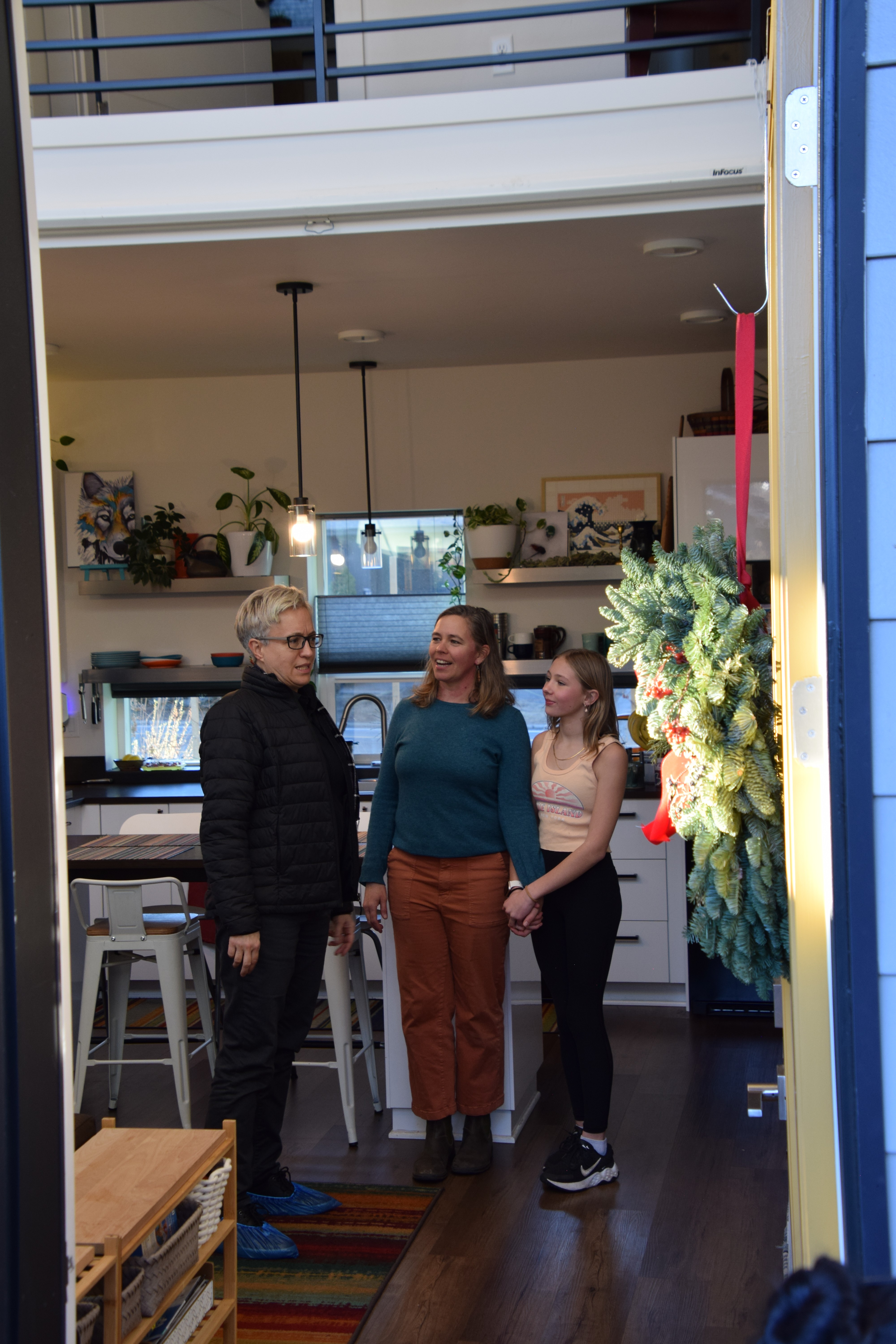 Housing progress: Last week, Oregon Governor Tina Kotek joined state agency and local leaders to share progress on Oregon’s efforts to address the state’s housing shortage. Pointing to state administrative efforts to reduce regulatory barriers and support new housing supply, Governor Kotek reported that more than 50,000 future homes are currently in Oregon's production pipeline, an 11% year-over-year increase during the first half of 2026, the second consecutive year of statewide construction growth.
“Whether you’re renting, buying a home for the first time, or needing temporary shelter to get back on your feet, we’re fighting to create more options for you,” Governor Tina Kotek said. “Housing has been a priority since day one of my administration, and we’re seeing tangible progress.”
Learn more about the strategies that states are employing to increase the supply of housing in the special report of Governor Lujan Grisham’s WGA Chair initiative, Building Resilient and Affordable New Developments in the West (BRAND West).
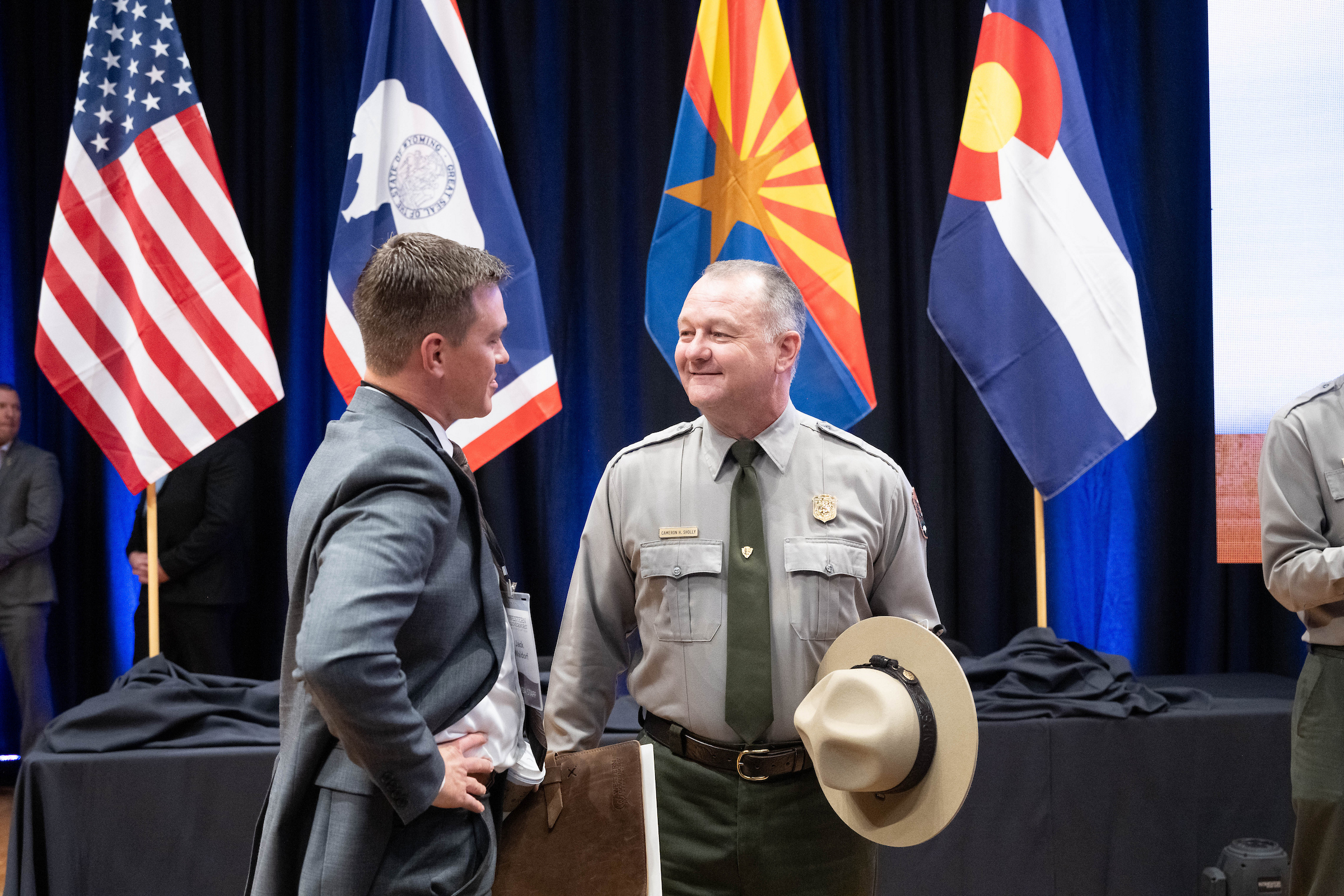 Once-in-a-generation leader: After nearly eight years at the helm of the nation’s first national park, which included shepherding the park through a global pandemic, historic flooding, and rapidly increasing visitation, Yellowstone National Park Superintendent Cam Sholly announced that he is leaving the position to serve as the Chief Operating Officer at the National Fish and Wildlife Foundation.
Serving as the Superintendent of Yellowstone has been “the greatest professional honor of my life,” Sholly told WyoFile.
In December 2023, Sholly joined Chip Jenkins, the Superintendent of Grand Teton National Park, for a panel at WGA’s Winter Meeting in Jackson, Wyoming. They spoke about the need to partner more closely with states to help mitigate the costs of services and labor, which proved successful during the COVID-19 pandemic and following the historic flooding in Yellowstone during the summer of 2022.
Utah Medical Campus: A few weeks ago, we highlighted Governor Spencer Cox and the University of Utah opening the new Spencer Fox Eccles School of Medicine. This week, Intermountain Health announced its own medical campus for West Valley City. Officials from both organizations have said that they are aiming to cut down on persistent health disparities between the east and west sides of the Salt Lake Valley.
Protecting Pollinators: Colorado Governor Jared Polis signed an executive order this week directing state agencies that manage land to protect and expand pollinator habitats. It also requires state agencies to incorporate pollinator-conservation practices into their licensing standards for pesticide use, to create pesticide-free buffer zones on state land, and to consider pollinator health in state grants when applicable.
“Pollinators touch everything we love about Colorado,” Polis said at a news conference announcing the executive order. “They’re really the workhorses of our healthy ecosystems, whether it’s growing our world-famous and delicious food, feeding wildlife, (or) sustaining landscapes.”
Apple of Your Eye: A Washington State University graduate student studying horticulture discovered a Walbridge apple tree, which apple researchers had thought to be extinct after it was taken out of mass markets before the 1920s, when the number of apple varieties grown commercially shrank.
“It’s the No. 1 lost apple that we’re looking at across the country,” Cameron Peace, a WSU fruit genetics professor, said.