04/01/26
Best of the West: Going back to the moon with western innovation; Forest Service move to SLC; WA housing; Fresh water under Great Salt Lake; Desert river resilience; and Olympic canoeing
.png)
The Western Governors' Association keeps you updated on the latest news in the West. Here are the top stories for the week starting March 30, 2026. (Photos courtesy of NASA/Jessica Meir, NASA/JSC/Goddard, NASA/Josh Valcarcel, Office of Washington Governor Bob Ferguson, Adobe Stock Images, and Montgomery Whitewater / Abby Smith).
This week, NASA’s Artemis II endeavor launched four astronauts on the first mission to the moon in more than 50 years. The 10-day flight will trace a figure-eight around the moon before returning to Earth, which NASA hopes will set the stage for regular visits to the lunar surface and beyond.
The mission follows the 2022 unmanned Artemis I mission, and will confirm the Orion spacecraft’s ability to support a crew of astronauts for future missions in deep space. Continued success of the Artemis program could establish an enduring presence in space well beyond the International Space Station, and it could lay the groundwork for crewed missions to asteroids or even to Mars.
The Artemis II mission wouldn’t be possible without crucial expertise and technology from the West. Astronaut Victor J. Glover, who hails from Pomona, California, is set to become the first person of color to travel as far as the moon. Glover, who studied at Cal Polytechnic State University and Edwards Air Force Base in California, has been assigned as Pilot for the Artemis mission.
Mission Specialist Christina Koch will also make history as the first female astronaut on a lunar mission. Koch has worked and researched across the globe, including periods in Alaska, Montana, and American Samoa.
The astronauts are heading toward the moon aboard Artemis’ specialized spacecraft known as Orion, which was designed and built by Lockheed Martin in Colorado. Orion has been based in the Centennial State since the early 2000s, and the Artemis II mission supports more than 600 jobs in the state and utilizes 400 local suppliers.
Colorado is a hub for aerospace companies, ranking first in the nation for aerospace employment. The state is home to more than 2,000 companies in the industry, and it generates $15 billion every year. Companies like BAE in Boulder and Honeybee Robotics in Longmont designed specialized communications systems and hardware for Orion.
Other key pieces of the Artemis mission were designed and built in western states like Washington, where a total of 41 companies have contributed to the mission. Well-known Washington companies like Boeing and Blue Origin had a hand in the launch, while lesser-known groups like Aerojet Rocketdyne provided essential propulsion systems for the rocket.
In the future, Artemis astronauts could spend time orbiting the moon inside HALO (Habitation and Logistics Outpost), which will be a core component of Gateway, humanity’s first space station in lunar orbit. Currently, HALO is in Gilbert, Arizona, being tested and outfitted to support life in lunar orbit.
The Artemis II crew is expected to return to Earth on April 10. The crew will reenter Earth’s atmosphere at 25,000 miles per hour before decelerating to just 17 mph by the time the Orion capsule splashes down in the Pacific Ocean just off the coast of San Diego.
Forest Service moves to SLC: This week, the U.S. Forest Service announced that it will move its headquarters from Washington, D.C., to Salt Lake City, Utah, in a major restructuring of the agency. In a press release announcing the move, the Forest Service said that the shift will bring its operations closer to the lands that it oversees, which are overwhelmingly concentrated in the West.
As part of its reorganization, the Forest Service will begin transitioning to a new state-based model, structured around 15 state directors overseeing operations in one or more states. Western Governors suggested that the agency adopt a state director model in their correspondence about the U.S. Department of Agriculture’s reorganization plan.
"This is a big win for Utah and the West,” said Utah Governor Spencer Cox. “Nearly 90% of Forest Service lands are west of the Mississippi, so putting leadership closer to the lands they manage just makes sense.”
Boosting housing in WA: In Washington, Governor Bob Ferguson signed seven bills last week to improve housing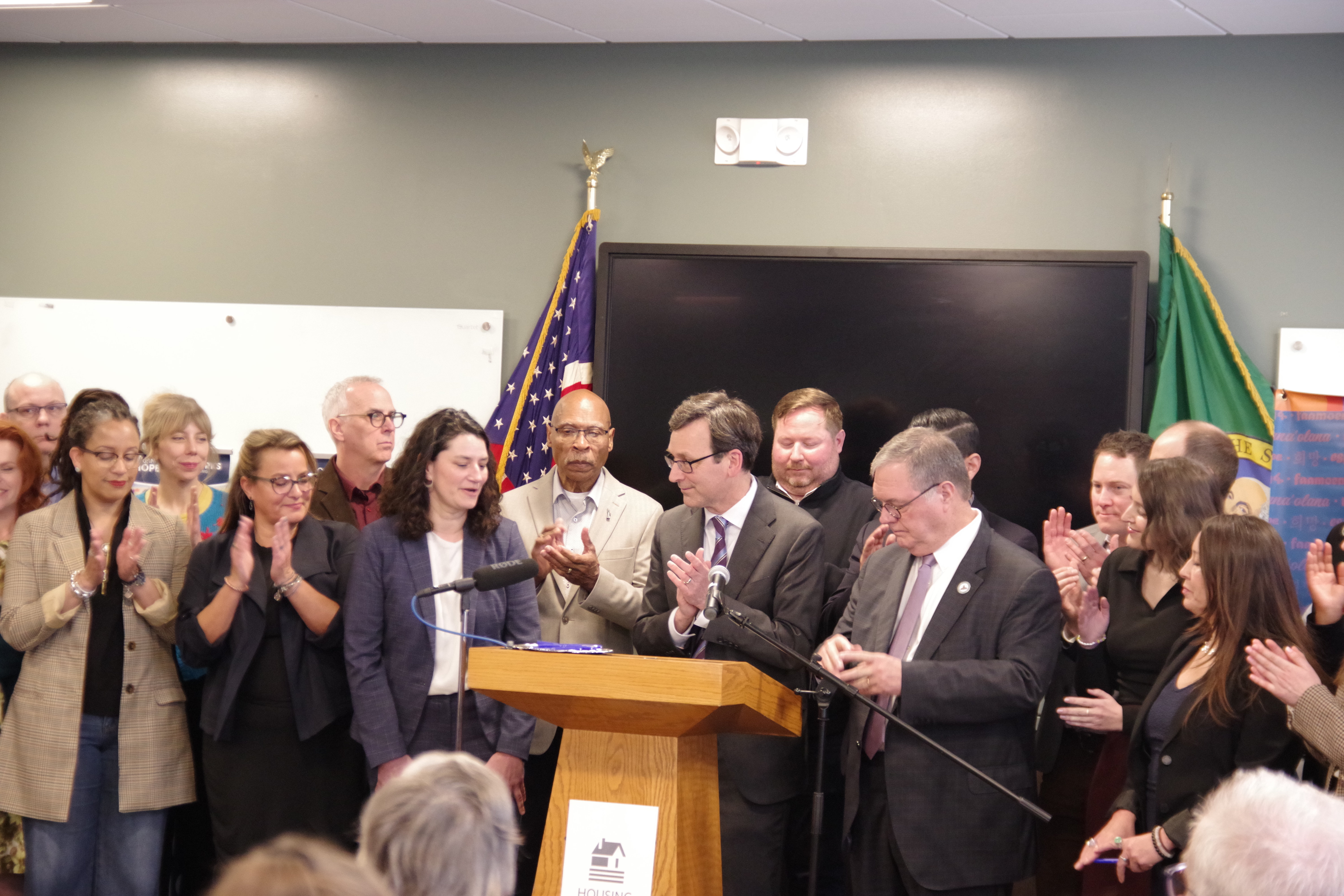 access across the state, including his own Governor Request Legislation to make building housing easier in commercial and mixed-use zones.
“The need for more housing is urgent,” Governor Ferguson said. “We must make it as easy as possible to plan, permit, and build housing to address the crisis. This bill removes barriers to clear the way for more housing all across Washington.”
The Governor also signed bills to streamline permitting for housing construction, provide localities more flexibility to spend tax revenue on affordable housing, protect tenants, and make accessory dwelling unit construction easier. Read more about each bill here.
For more information about state housing initiatives, read the BRAND West initiative report from New Mexico Governor Michelle Lujan Grisham’s WGA Chair initiative.
Freshwater reservoir under Salt Lake: University of Utah researchers recently discovered a freshwater reservoir deep below the Great Salt Lake, which could provide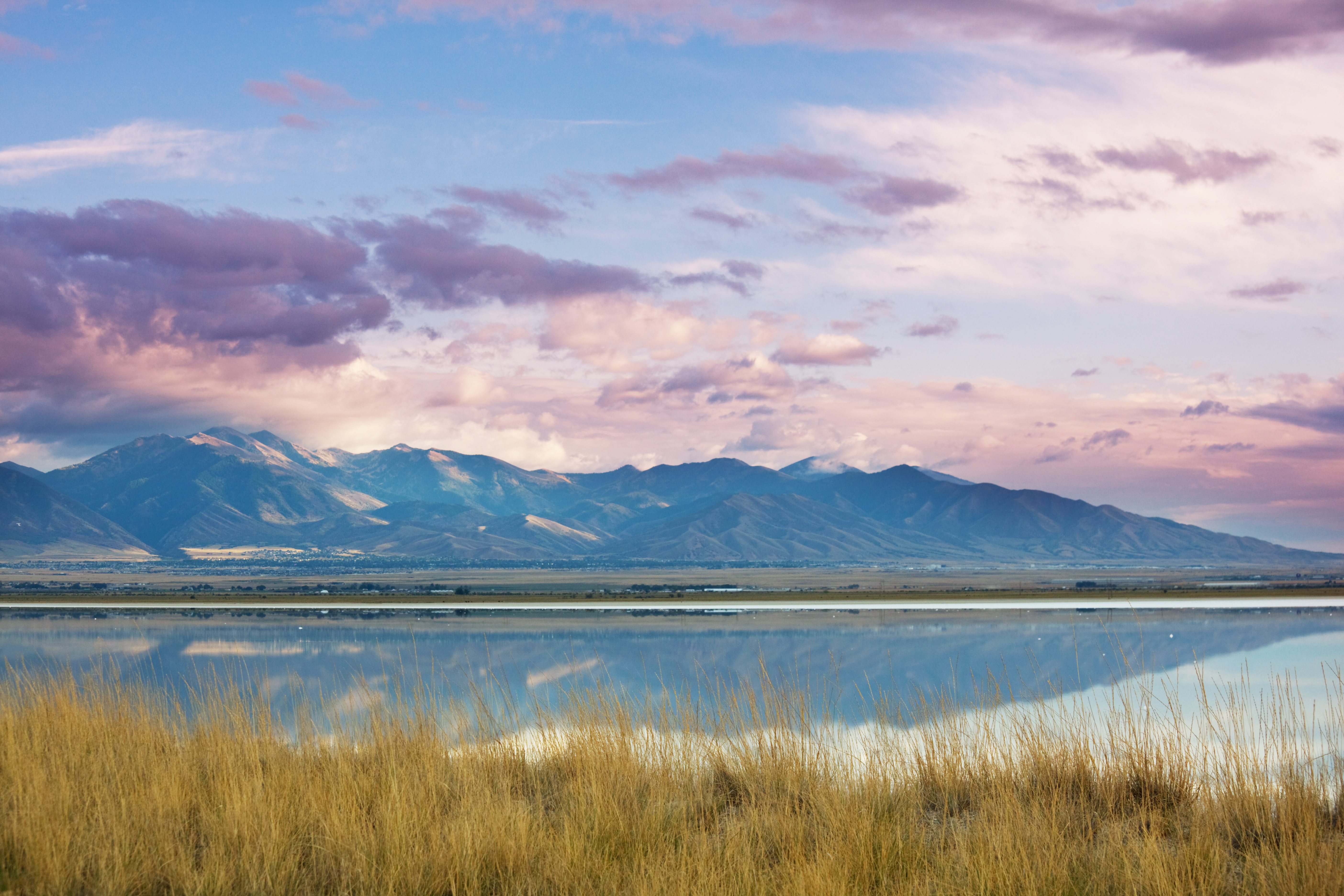 an important buffer against natural toxins that are increasingly exposed as the lake recedes.
Researchers were tipped off to the existence of the reservoir by certain grasses growing near Farmington Bay that require plenty of fresh water to survive. They were then able to confirm the reservoir using helicopters and electromagnetic pulses. Their analysis showed fresh water saturating sediments below the lake at depths of up to 13,000 feet, though the reservoir's exact volume is still unknown.
Experts are now looking into whether the reservoir could be tapped to mitigate dust pollution from areas of the exposed lakebed.
Desert rivers show resilience: After nearly a decade of research on the Gila River in Arizona, scientists determined that the desert river is able to support plant and animal life even during intense droughts due to its natural complexity and ability to store water. During floods, the river spreads out across the floodplain, carving channels underground that can store moisture even as the surface experiences drought. These pockets of groundwater can sustain native cottonwoods and willows through low-water years.
Across many western landscapes, this process can be aided by a healthy population of beavers, whose dams can help spread water across floodplains and create healthy, resilient wetlands. A recent episode of WGA’s Out West podcast dives into the positive effects that beavers can have on wetland ecosystems – download it here.
Olympic canoeing in OK: The summer Olympics in Los Angeles are coming up in 2028, but not every event is set to be held in the City of Angels. More than a thousand miles away, Oklahoma City will host both softball and canoe slalom during the Games.
This past weekend, the canoeing world descended on Oklahoma City for the International Canoe Federation world ranking race. The event was held at the Riversport canoe slalom facility, which is one of just a few dozen similar facilities in the world. It gave Oklahoma City a taste of international competition, and it gave some of the world’s best competitors a feel for Oklahoma City, with many hoping to return in 2028.