03/12/26
Best of the West: Cloud seeding to boost snowfall; Death Valley superbloom; Iditarod gets underway; Balcony solar legislation; and a milestone for geothermal in Colorado
.png)
The Western Governors' Association keeps you updated on the latest news in the West. Here are the top stories for the week starting March 9, 2026. (Photos courtesy of MODIS Land Rapid Response Team, NASA GSFC, Adobe Stock Images, Desert Research Institute, the National Park Service, and Mike Kenney Photography).
It has been a dry winter across most of the West this year, with some snowpack measurements hovering near record lows for much of the winter. Winter snowfall is critical to the water supply in western states for the entire year, especially for the Colorado River and other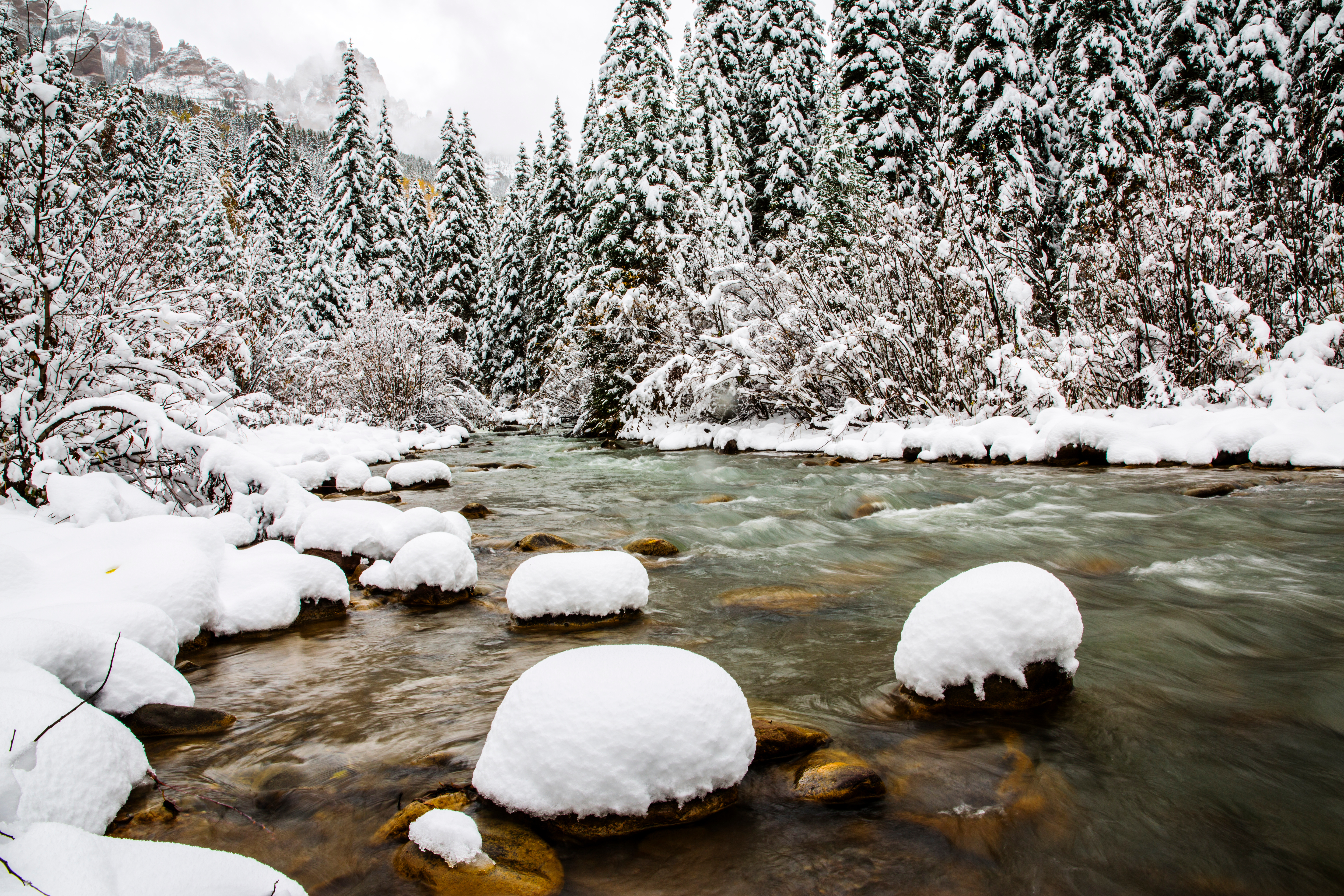 essential waterways.
In the face of lower snow totals, one long-standing technology aims to directly produce more snowfall: cloud seeding. Cloud seeding technology has been around since the 1940s, after researchers with General Electric realized they could stimulate ice formation in clouds while researching ways to prevent ice buildup on planes.
Cloud seeding works by releasing harmless silver-iodide into clouds, which gives cold water droplets something to converge around, creating ice crystals that then fall as snow. The practice pulls only a small amount of extra precipitation out of existing clouds – it does not create storms or generate the clouds themselves. “Seeding” only works in certain conditions, which require clouds to move in from a certain direction and be no warmer than 23 degrees Fahrenheit.
As of 2024, nine states had cloud seeding operations in place, all of them in the West. California, Nevada, Idaho, Utah, Wyoming, Colorado, New Mexico, Texas, and North Dakota have programs in place, with Utah making the largest investment in the technology.
Last year, the state of Utah purchased 190 remote-operated generators to implement its cloud seeding program, creating the largest remote-controlled cloud seeding program in the world. The remote generators can release silver iodide precisely into a cloud, and they eliminate the need for operators to trudge out to remote stations to turn on the systems.
The Utah Division of Water Resources estimates that the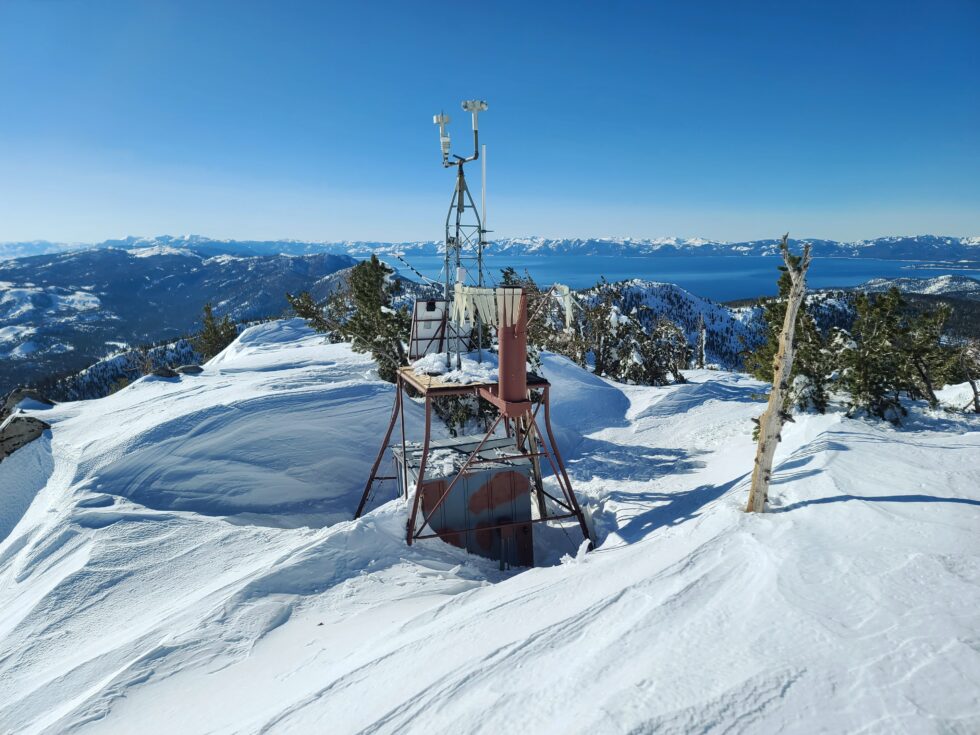 state’s cloud seeding program creates a 10.4% increase in average snowpack statewide. That figure is on par with estimates from other cloud seeding programs around the region, which estimate a 5-15% increase in snowpack from cloud seeding.
For western states, 10% more snowfall is a significant boost for water supplies, especially for the Colorado River, which picks up 85% of its water from mountain snowmelt. Additionally, cloud seeding can boost water supplies for cheap, with an acre-foot of water typically produced for less than $10. By comparison, the same amount is produced via desalination for as much as $3,000.
The Lower Basin states of California, Arizona, and Nevada have begun funding cloud seeding work in conjunction with Upper Basin states like Utah, Colorado, and Wyoming, and the Bureau of Reclamation has funded similar work in headwater states.
Going forward, nonprofit research groups like the Desert Research Institute in Nevada and private companies like Rainmaker in California will be critical for deploying and testing cloud seeding technologies. Both groups are actively implementing cloud seeding in the West, both via generators and drones to stimulate precipitation.
Death Valley superbloom: the hottest and driest spot in North America is currently bursting with vibrant color amid Death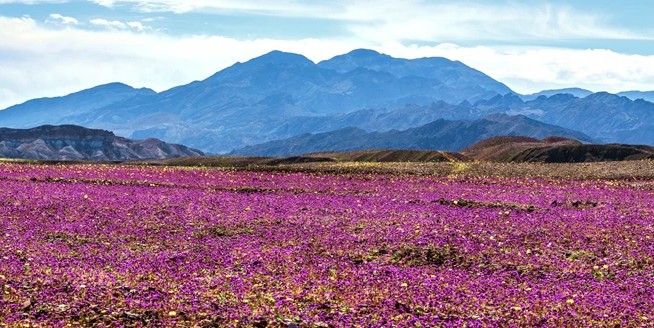 Valley’s most spectacular superbloom in more than a decade. Some of the park’s wildflowers bloom every spring, but last fall’s higher-than-average rainfall has caused rare conditions for wildflowers this year.
Death Valley received more than its typical annual rainfall in just two months late last year, which has helped coax out a stunning sea of wildflowers, which are known as ephemerals.
Iditarod underway: the iconic Alaskan sled dog race kicked off with a ceremonial start in downtown Anchorage last Saturday, with 37 teams racing nearly 1,000 miles across Alaska. The teams faced strong winds and temperatures approaching 35 below zero in the first days of the race.
The winning team is expected to reach the finish line in Nome over the weekend or early next week, with defending champion and early leader Jessie Holmes hoping to take the crown for the second straight year.
Follow along with the race here.
Balcony solar: a number of states across the country are looking to follow in Utah’s footsteps by passing bills to make the use of small scale, plug-in solar panels legal for individual households. Currently, utilities often require users to sign interconnection agreements to plug in small solar panels, which can be expensive and time-consuming.
11 western states are considering doing away with interconnection requirements, which Utah passed last year. The bills would clear the way for individual users to install balcony solar or small backyard systems, which can lower household electric bills by hundreds of dollars a year.
Colorado geothermal milestone: in northern Colorado, the Geothermal Limitless Approach to Drilling Efficiencies (GLADE) project from Occidental Petroleum wrapped up a 20,049-foot well to test new drilling techniques for deep geothermal wells.
The company was able to drill a pair of wells nearly four miles below the surface in less than six weeks last year, and their estimates suggest that the wells could exceed 450 degrees Fahrenheit. Their success shows the potential for oil and gas companies to step into the geothermal world, and it proved the ability to dig deep wells quickly to access geothermal heat in many places around the country.
For more on geothermal in Colorado and across the West, read the Heat Beneath Our Feet initiative report from Governor Jared Polis’ term as WGA Chair.