03/05/26
Best of the West: Boosting literacy in the West; Wyoming nuclear reactor construction approved; Firefighting drones; Utah hydrogen plant advances; and restoring reefs on American Samoa
.png)
The Western Governors' Association keeps you updated on the latest news in the West. Here are the top stories for the week starting March 2, 2026. (Photos courtesy of Adobe Stock Images, the Office of Utah Governor Spencer Cox, the Office of Nevada Governor Joe Lombardo, and TerraPower).
It’s Read Across America Week, which celebrates the importance of reading and literacy across the nation. In the West, Governors are taking the opportunity to launch reading initiatives, support educators, and emphasize the wonder of reading.
In Utah, WGA’s Chair, Governor Spencer Cox, took a brief break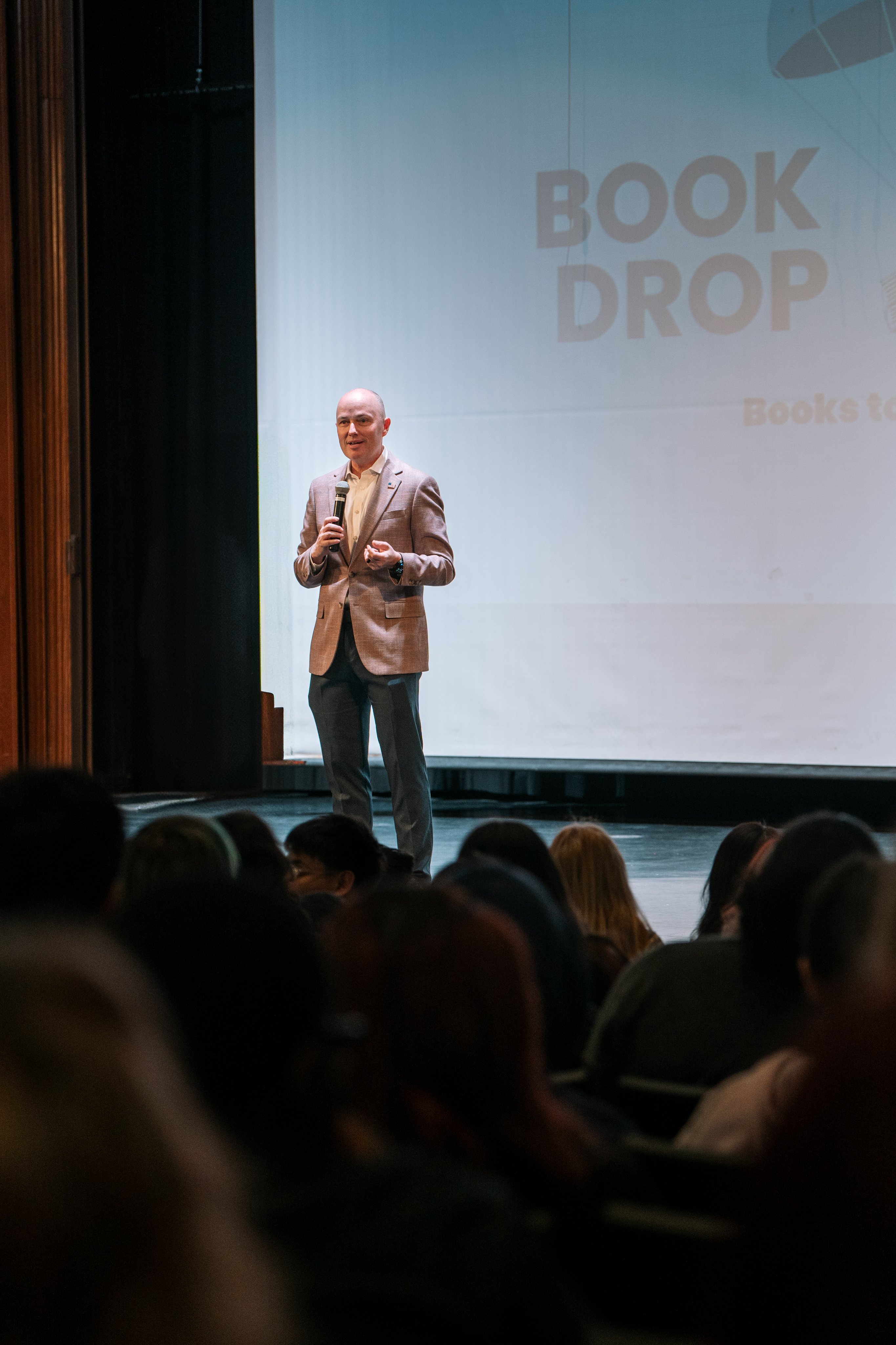 from the busy legislative session to participate in a book drop at a Salt Lake City middle school last week. Alarming literacy scores across the country have spurred Governor Cox and first lady Abby Cox to make reading one of their priorities. The Governor encouraged students to step away from their cell phones to read for even just a few minutes every day, which he said can rewire young students’ brains in important ways.
In New Mexico, Governor Michelle Lujan Grisham plans to sign Senate Bill 37 into law, which will expand high-quality literacy instruction in the state. New Mexico hopes to continue its progress in reading proficiency, which has already jumped 10 percentage points statewide since 2022.
“SB 37 builds on my administration’s long-term strategy to give every New Mexico child a solid foundation for educational success by improving literacy education in our schools,” said the Governor. “New Mexico has boosted student reading proficiency significantly over the past four years and this literacy initiative will accelerate that progress.”
Nevada Governor Joe Lombardo visited an elementary school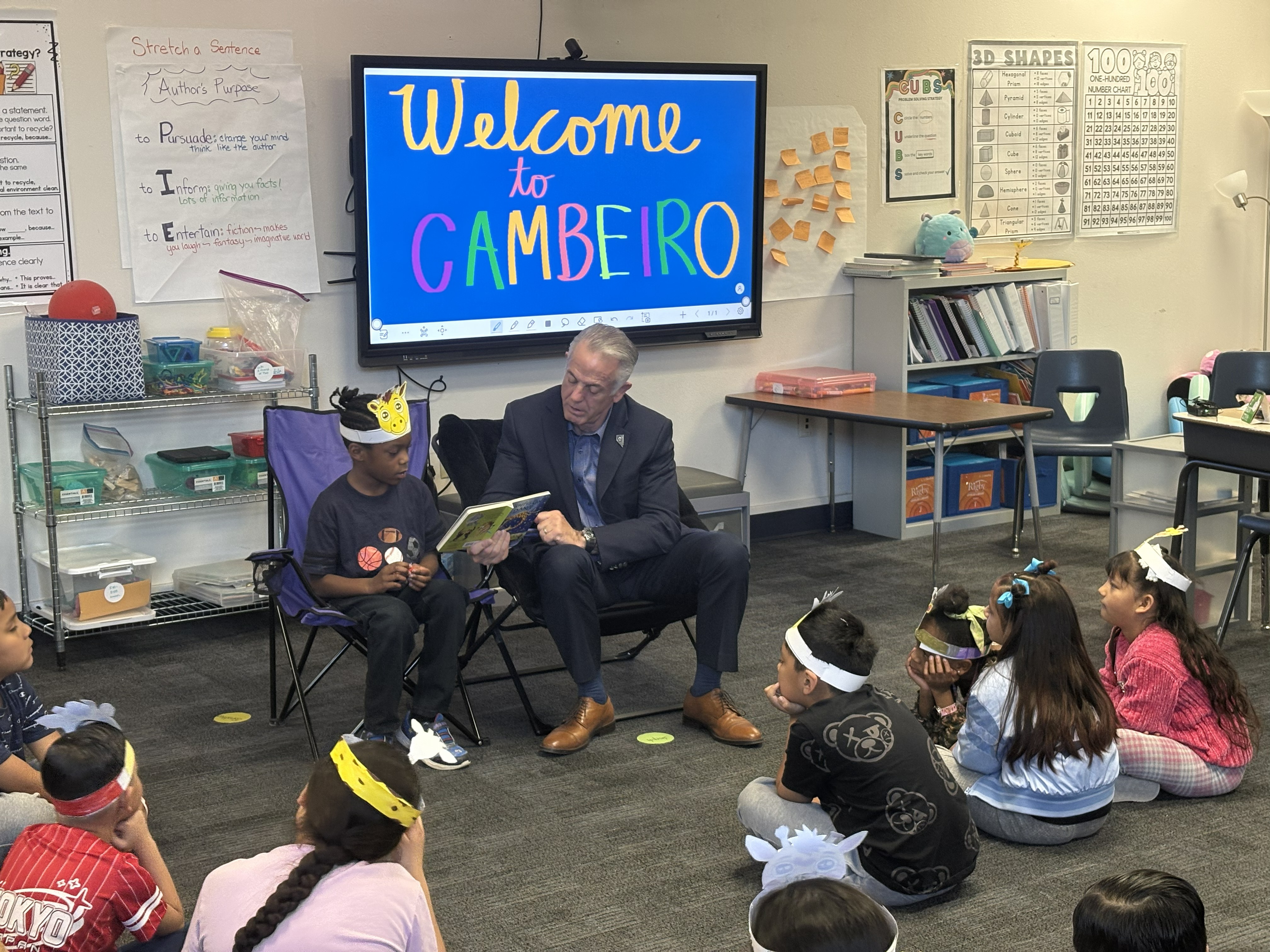 near Las Vegas to celebrate Nevada Reading Week. Governor Lombardo has worked to build strong reading foundations through measures like the Read by Grade 3 program and by expanding the Early Childhood Literacy Program Grants through the state’s Department of Education.
Kansas Governor Laura Kelly celebrated the state’s Blueprint for Literacy, which makes literacy a state-level priority and equips educators with training in the science of reading and literacy screening and assessment tools.
In Alaska, Governor Mike Dunleavy signed the Alaska Reads Act in 2022, which aims to ensure all students can read at grade level by the end of third grade. Since the law was enacted, the percentage of Alaskan K-3 students reading at grade level has already jumped by nearly 20 percentage points.
In California, Governor Gavin Newsom highlighted state-level investments in literacy and education on Read Across America Day, including over $9 billion to support evidence-based policy changes to improve student literacy.
Idaho Governor Brad Little has also made literacy a priority, evidenced by a 500% increase in funding for literacy since taking office. The state’s investments are paying off, as Idaho elementary students reading at grade level has jumped beyond pre-pandemic rates.
Wyoming reactor construction approved: for the first time in nearly a decade, a new U.S. commercial nuclear reactor has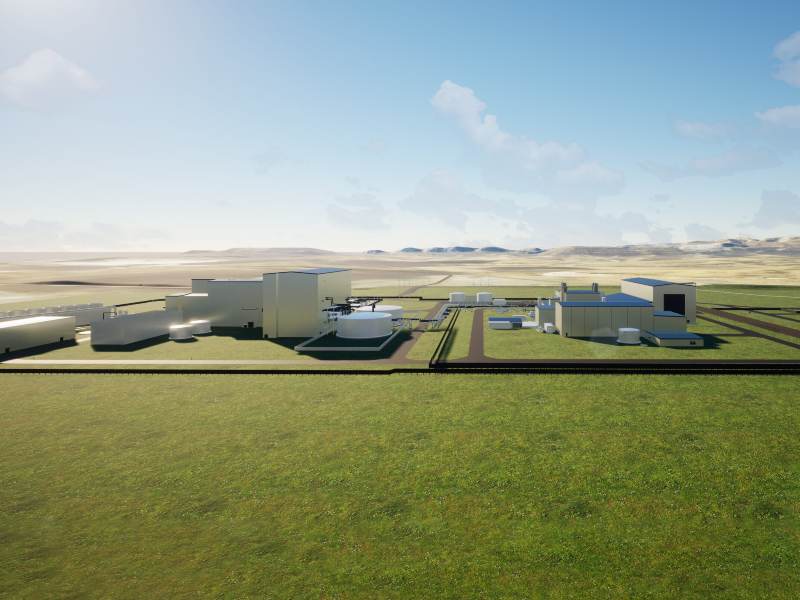 received approval from the Nuclear Regulatory Commission to begin construction. The project from TerraPower, the Bill Gates-backed nuclear company, is set to build a sodium-cooled fast reactor in Kemmerer, Wyoming, near the area’s coal-burning power plant.
Governor Mark Gordon was on hand for the site’s groundbreaking in 2024, and he has been supportive of the development of advanced nuclear power in Wyoming.
“If you’re going to produce energy, it’s very likely you’re doing it in Wyoming,” Governor Gordon said last year. “Nuclear power factors significantly into our plans as a nation for energy independence, abundance and strengthening national security. Wyoming and TerraPower are readying to meet demand.”
Firefighting drones: western states are always seeking to roll out the most advanced techniques and technologies to stay a step ahead of wildfires. Drones are beginning to emerge as a key tool in the fight against fire, with states using them for different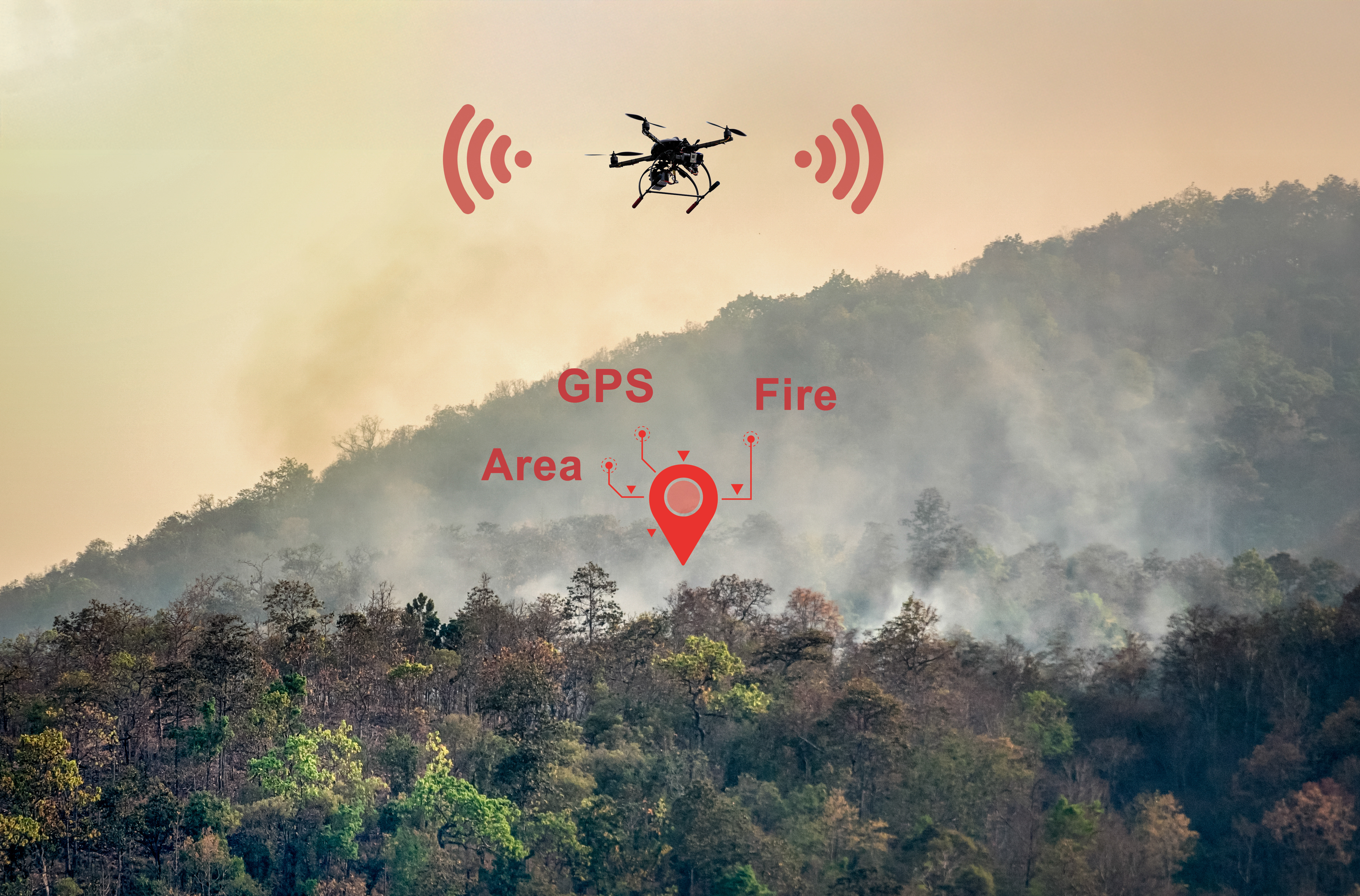 applications.
In Colorado, the town of Aspen will become the first in the nation to use a new specialized firefighting drone this summer. The technology can carry 100 gallons of fire-suppression foam and locate the exact spot of a fire in a matter of minutes. The department hopes that the drones will make responding to remote wildfire starts much quicker, safer, and cheaper than current techniques.
In Oklahoma, land managers are beginning to employ drones to target invasive Eastern red cedar trees, which are extremely fire prone. The drones can target individual trees with a small chemical treatment, as opposed to more disruptive mechanical thinning or prescribed burning.
Utah hydrogen project advances: the 220-megawatt Advanced Clean Energy Storage (ACES) project in Delta, Utah, is nearing completion, as all 40 of the site’s electrolyzers are now up and running producing green hydrogen.
The plant will use excess renewable energy to produce clean hydrogen and store it in two 4.5-million-barrel underground salt caverns. The stored hydrogen will then be used for power generation to be deployed to the grid.
Restoring reefs on American Samoa: backed by $4.6 million from NOAA, a team from the University of Hawaii, Old Dominion University, and American Samoa Community College is working on coral reef restoration on American Samoa.
Coral reefs can act as crucial wave breaks for the islands, especially as sea levels rise much faster around America Samoa than the global average. The project aims to boost coral reef restoration to protect coastlines, while producing research and data on coral reefs.