04/16/26
Best of the West: Battery storage boom; 3D printed homes; Secure Rural Schools; Utilities poised to spend big; The return of salmon fishing; and an economic resiliency project in CNMI
.png)
The Western Governors' Association keeps you updated on the latest news in the West. Here are the top stories for the week starting April 13, 2026. (Photos courtesy of Adobe Stock Images, the Office of Colorado Governor Jared Polis, and the Office of CNMI Governor David M. Apatang).
2025 was a record-shattering year for installed battery storage in the U.S., beating the prior record set in 2024 by 30% and quadrupling the amount installed just three years ago.
Last year, the country’s energy storage industry added 58 gigawatt-hours (GWh) of new storage capacity, with western states continuing to sit at the epicenter of the industry. In addition to the longtime leaders in energy storage – California and Texas – recent strong growth was boosted by some of the fastest-growing states in the industry such as Arizona, Nevada, and New Mexico.
California and Texas continue to be dominant in the industry, boosting their nation-leading capacity by 29% and 69%, respectively. Arizona and Nevada also saw massive growth this past year to round out the top four states in the country for installed battery capacity.
Much of this growth has been led by large-scale projects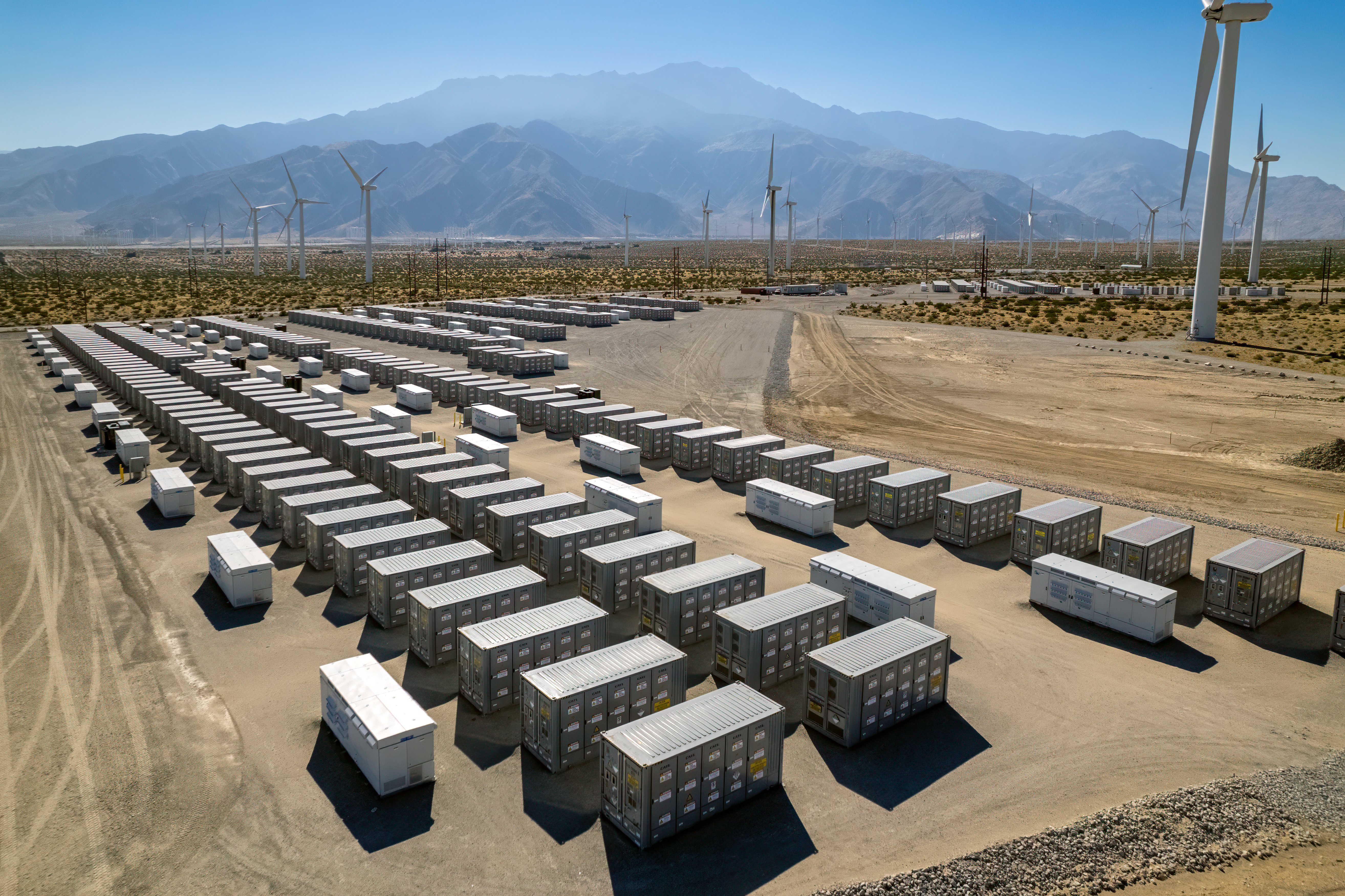 like Nevada’s Gemini Solar project. The Gemini project became the country’s largest single-phase solar + storage system when it came online last year, and it can power up to 10% of Nevada’s peak demand.
Like many new battery storage projects in the Southwest, Gemini takes advantage of abundant solar energy to couple battery storage with large-scale solar generation. It features a 690 MWac solar facility with 380MW of battery storage, about 25 miles outside of Las Vegas.
In California, projects like Calpine’s 680-megawatt storage project in Menifee are continuing to push the frontier of battery storage. When it powers on this summer, the billion-dollar Menifee project will trail only the Golden State’s Moss Landing Energy Storage Facility as the largest storage project in the country.
Other projects helping solidify the West as the leader in battery storage include Arizona’s Papago Storage facility in Maricopa County. The 1,200 MWh facility is the first of three projects to be built in Arizona by Recurrent Energy, which will ultimately provide 1,800 MWh of storage and 150 MWac of solar generation in the Grand Canyon State.
Going forward, energy experts foresee more than 600 GWh of energy storage coming online by the end of the decade, which will help lower energy costs and enhance grid reliability.
For more on Western Governors’ efforts to boost energy availability and reliability, check out this year’s Chair initiative from Utah Governor Spencer Cox, Energy Superabundance, Unlocking Prosperity in the West.
3D-printed homes: in Colorado, Governor Jared Polis helped break ground on Azure Printed Homes’ new 25,000-square-foot manufacturing facility in Denver this week. The California-based company is expanding into Colorado with its futuristic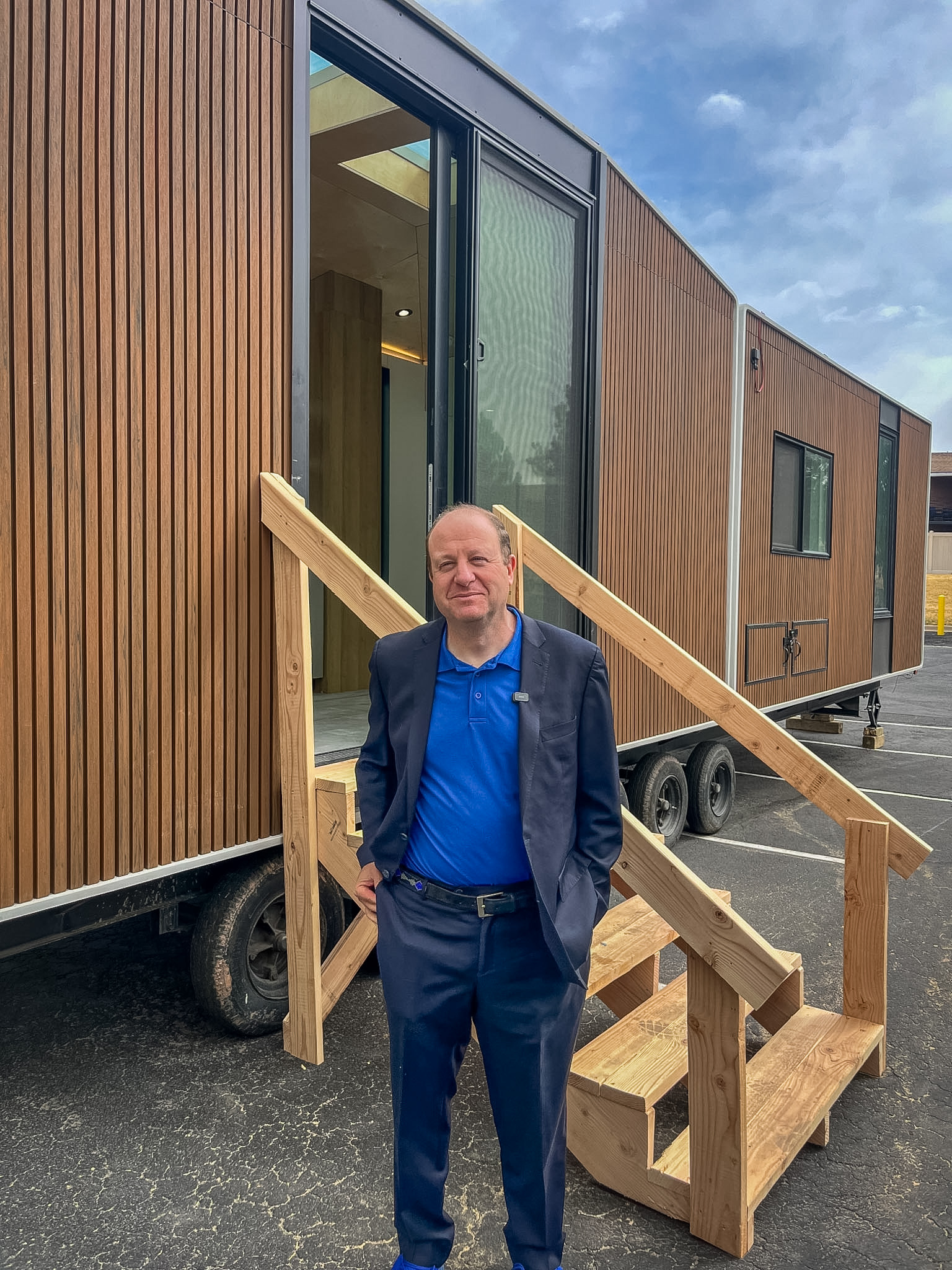 technology that uses recycled plastic waste to 3D print fully equipped homes.
The facility is expected to create 352 units per year, which will be sited in Colorado and neighboring states. It will also create 50 good-paying jobs in the area.
“Colorado is leading the way to build more housing that people can afford, and an important part of that is investing in innovative and lower-cost construction methods,” said Governor Polis. “There is no silver bullet solution to address our housing shortage, which is why we are looking at every innovative solution to build more homes and save people money. When at full capacity this new Azure Printed Homes facility will support 50 good-paying jobs and help Colorado build more homes people can afford.”
Secure rural schools: this week, the U.S. Forest Service announced that it will issue $248 million in Secure Rural Schools funding for 2025. The Secure Rural Schools program helps sustain public schools, local roads, wildfire preparedness, and other essential services in rural communities with National Forest System lands.
The program particularly supports services in timber-dependent communities, as long-term declines in timber revenue have affected rural communities near National Forest lands. Western Governors celebrated the program’s reauthorization in December 2025, and the Governors have consistently supported and advocated for it.
Utilities poised to spend big: according to a new report from PowerLines, investor-owned utilities are planning to spend $1.4 trillion over the next five years on capital expenditures, representing a 21% increase over projections from last year. Spending could go toward everything from power plants to transmission lines and distribution infrastructure.
The increase in utility spending comes as the data center boom puts unprecedented strain on the country’s power grid. A majority of the companies analyzed by PowerLines cited data centers as a top driver of upcoming capital expenditures.
WGA’s current Chair, Utah Governor Spencer Cox, has made energy issues in the era of data centers a top priority, particularly through his Chair initiative, Energy Superabundance, Unlocking Propserity in the West. Explore the initiative to learn more about how Western Governors are coming together to make energy abundant and affordable, even as demand rises.
Return of salmon fishing: California anglers celebrated Governor Gavin Newsom’s announcement this week that ocean salmon fishing will return this year after a three-year closure. Significant improvements in populations of Chinook salmon prompted the California Department of Fish and Wildlife to reopen commercial salmon fishing and provide more opportunities for recreational fishing in 2026.
The progress reflects the success of Governor Newsom’s Salmon Strategy, which has helped support tangible improvements in salmon populations since it was announced in 2024.
“We’re seeing progress because of the work we’re doing together,” said Governor Newsom. “We’re doubling down on our strategies to protect this iconic species and ensure it thrives, not just for today, but for generations to come.”
CNMI economic resiliency center: last month,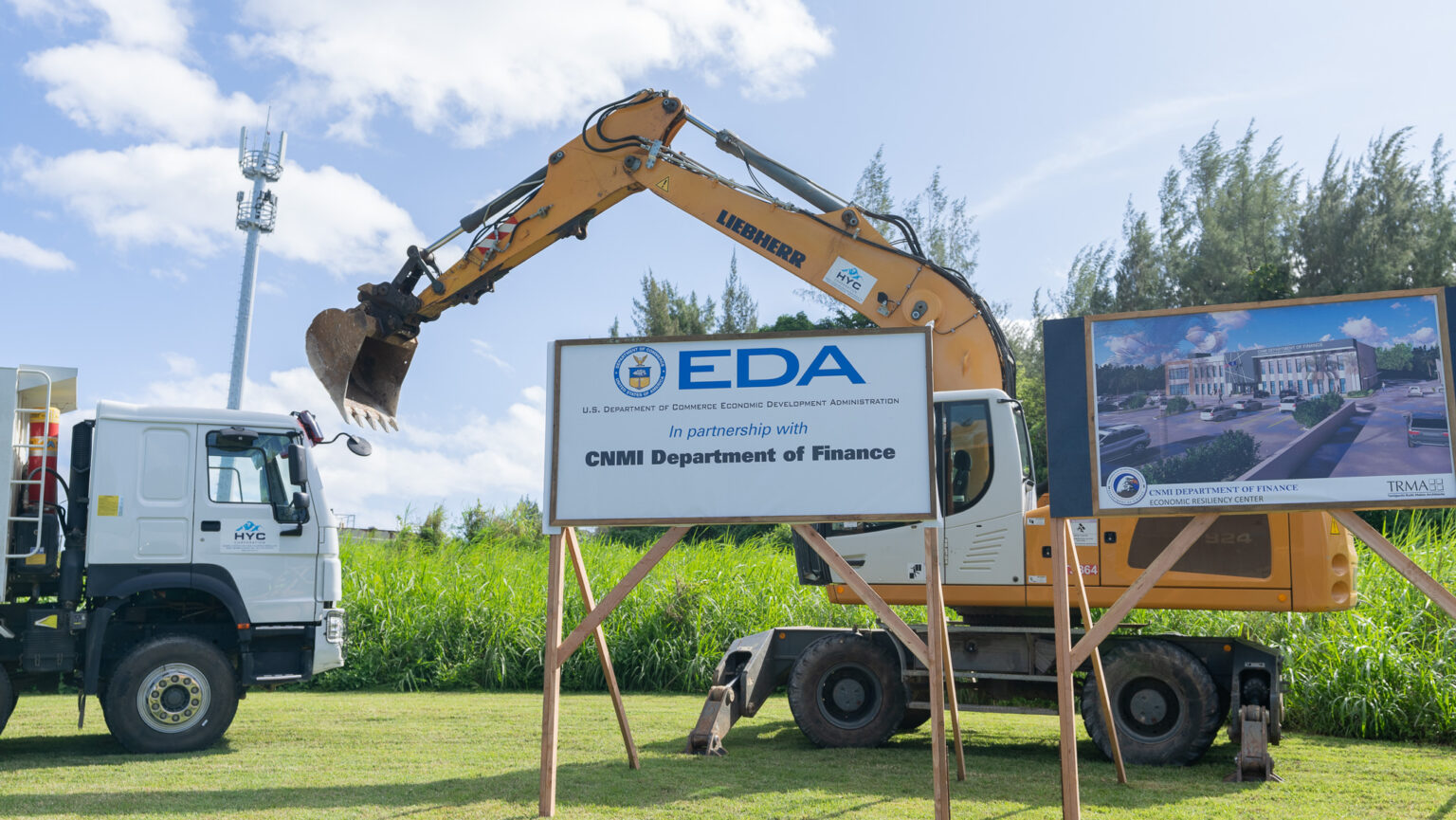 Commonwealth of the Northern Mariana Islands Governor David M. Apatang led the groundbreaking of a new $14 million Economic Resiliency Center. With support from the U.S. Economic Development Administration, the facility will bring the Commonwealth’s Department of Finance under one roof to improve efficiency, accessibility, and public service to the people of CNMI.