08/20/26
Best of the West: Back to school in the West. Plus, next-gen geothermal; tribal mental health; more nuclear power in Utah; and reviving the sunflower sea star
_1.png)
The Western Governors' Association keeps you updated on the latest news in the West. Here are the top stories for the week starting August 17, 2026. (Photos courtesy of Adobe Stock Images).
Much to the chagrin of some of our youngest westerners, back-to-school season is here. This year, many states around the region are seeing changes in the classroom on everything from literacy to artificial intelligence and recess.
Let’s take a look around the region at what’s working for western schools going into the new school year.
Western Governors and other regional education leaders have been making a strong push to improve literacy in recent years. For example, Utah Governor Spencer Cox and First Lady Abby Cox have made literacy a priority in Governor Cox’s second term. First Lady Cox brought her expertise and passion to WGA’s recent Annual Meeting in Deer Valley, where she led a panel discussion with Governors and experts about student literacy.
“None of the biggest problems that we need to solve are going to be solved if we do_1.jpg) not look towards the next generation and make sure that our kiddos have what they need to be successful,” she said. “And that means literacy,”
not look towards the next generation and make sure that our kiddos have what they need to be successful,” she said. “And that means literacy,”
Around the West, new programs and legislation are showing measurable improvements in reading. In New Mexico, where Governor Michelle Lujan Grisham recently signed a package of literacy bills, the state’s student reading proficiency is already up 10 percentage points since 2022.
In Alaska, the state’s Alaska Reads Act has contributed to substantial improvements in literacy for K-3 students since it was passed in 2022.
In Oklahoma, Governor Kevin Stitt signed the Strong Readers Act this spring, after the state’s legislature made literacy and education a priority in this year’s session. The legislation mandates intervention if students fall behind in reading proficiency and dedicates resources and funding to literacy instruction.
The use of artificial intelligence in schools has become another priority for educators to sort out, as school districts weigh its benefits as a learning tool with its uncertainty as a new technology.
So far, as many as 34 states have specific policy in place on the use of AI in schools. Most aim to improve AI literacy for students, protect student privacy, and promote responsible AI use.
In Utah, for example, a statewide partnership will bring Google's Gemini for Education to public schools next year. The goal is to introduce AI tools to students and teachers in a controlled environment where students can better understand how to use AI productively.
Other states, like California, have passed legislation to incorporate AI literacy skills into core curriculum classes in public schools. California's approach hopes to help students simultaneously learn with AI and learn about AI to be best prepared for the future.
In other education news, a handful of western states are mandating unstructured recess in school, after decades of declining recess time. Unstructured play has been linked to better classroom motivation, behavior, and attendance.
Next-gen geothermal comes online: a geothermal power system from startup Sage Geosystems recently became the third next-generation geothermal plant to come online in the United States. The 3-megawatt plant in Texas has been operational since April with reliable and predictable operations, the company told Canary Media.
Next-gen geothermal is a technique that involves drilling deep into hot rock formations before fracturing them to create pools of hot water that can be used to generate power.
The successful pilot in Texas will likely inform the company’s operations moving forward, including Sage’s deal to develop 150 megawatts of geothermal power for Meta.
Learn more about geothermal via the 2023 WGA Chair initiative of Colorado Governor Jared Polis: The Heat Beneath Our Feet.
Tribal mental health: on the Blackfeet Reservation in Montana, sisters Lynn and Erika Mad Plume are incorporating horses into a free mental health program that they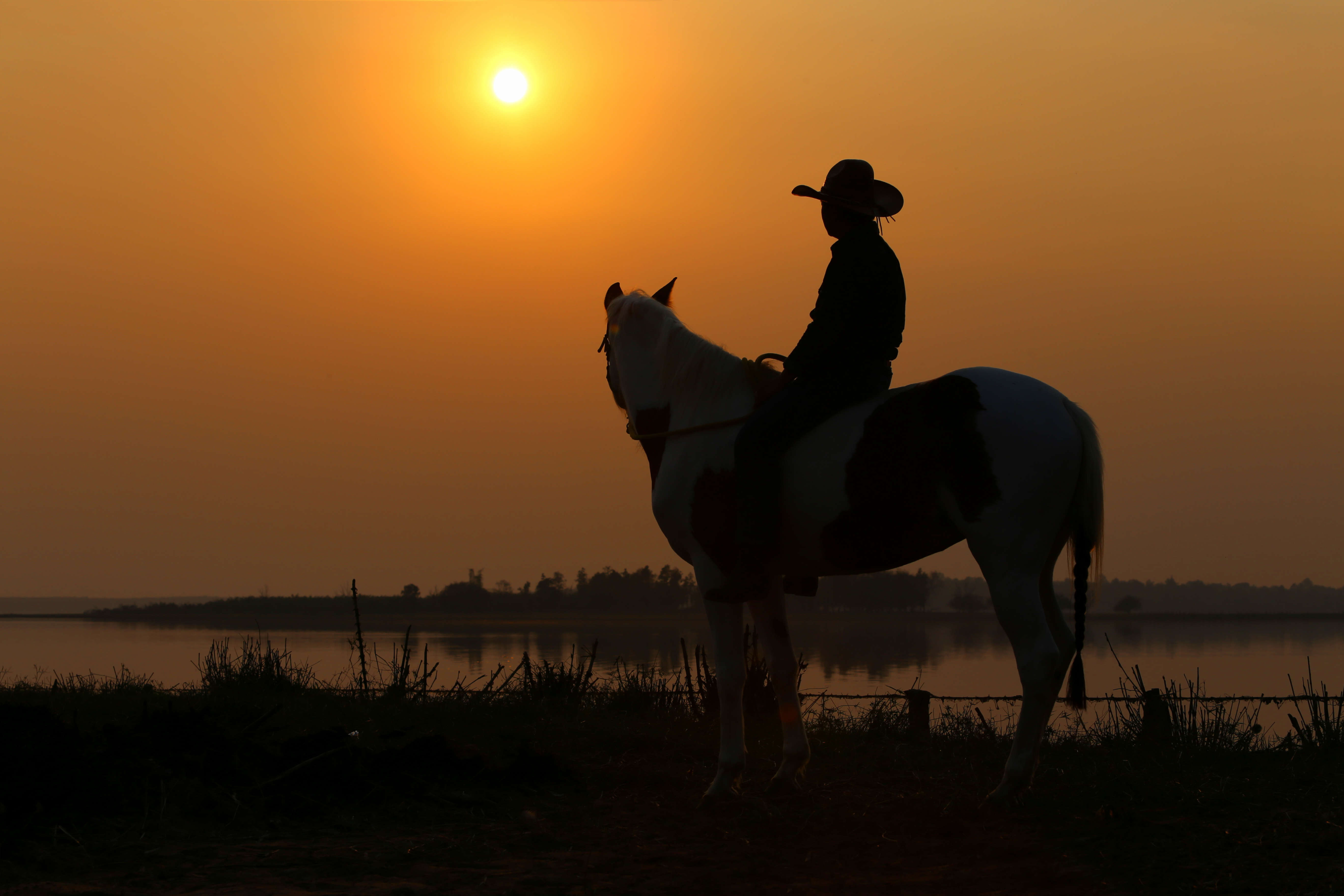 hope will help their community access mental health care when traditional talk therapy isn't a comfortable option.
Suicide and depression rates in tribal communities are far higher than the rest of the country, and research shows that culturally appropriate, community-based mental health care can often be the most effective avenue to getting tribal members adequate care. The Mad Plume sisters hope that connecting through animals can help their neighbors process trauma and deal with mental health issues.
For more on mental health strategies that go beyond just a doctor's visit or a prescription, get involved with Hawaiʻi Governor Josh Green’s Health Beyond Healthcare WGA Chair initiative.
More Utah nuclear: Utah continues to lead the country's nuclear energy buildout, this time with a new agreement with Canadian company Nuclea to explore siting a micro nuclear reactor in the state.
The deal could land Nuclea's Morpheus reactor at the San Rafael Energy Lab in Orangeville. The modular reactor is designed to be compact and transportable, capable of scaling from 3.5 MWe to 50 MWe of power.
Saving sunflower sea stars: the sunflower sea star – a 24-limbed keystone species off the West Coast that can grow to the size of a stop sign – has been plagued by a deadly bacteria for more than a decade. The disease has killed off as much as 90% of the species’ population, causing ripple effects throughout the Pacific ecosystem.
Now, researchers with the University of Washington and other institutions are nurturing healthy sea stars in the lab to help revive the species. They’re working alongside tribes like the Samish Indian Nation, which are simultaneously restoring healthy kelp forests in the area. Sea stars are natural predators of sea urchins, which have decimated kelp forests in the absence of their natural predator.
As more sea stars are released, biologists and tribes hope to see kelp forests and sea stars thrive in unison once again.