10/29/26
Best of the West: Agricultural innovation, permitting reform, a bear visits the dentist, reef restoration, and solar hydrogen production
The Western Governors' Association keeps you updated on the latest news in the West. Here are the top stories for the week starting October 26, 2026. (Photos courtesy of the United States Geological Survey, Danny Collins, Adobe Stock Images).
This week, Secretary of Agriculture Brooke Rollins announced an investment of over $325 million in 42 projects across 36 states and territories, including 14 western states. The funding will help farmers, ranchers, and forest landowners boost their operations and conserve natural resources across the nation through the Regional Conservation Partnership Program (RCPP).
Similar projects have already taken shape throughout the region. In this week's Best of the West, we'll explore how western farmers and researchers are working together to adapt to current environmental challenges facing the industry.
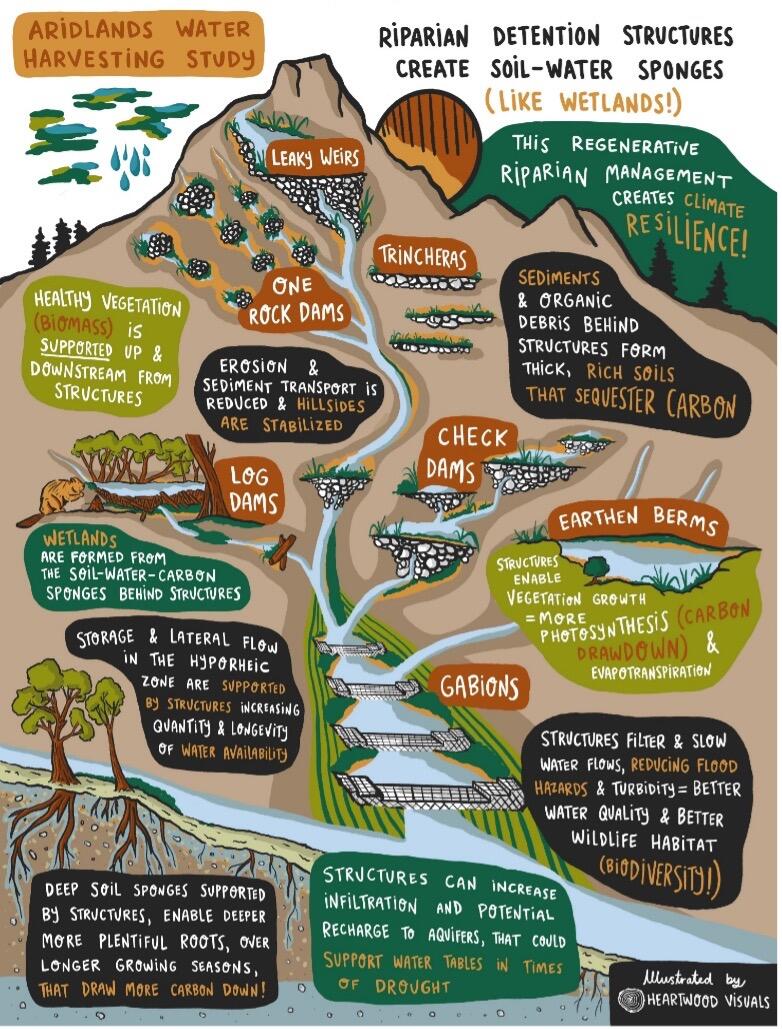 In southeastern Arizona, researchers at the U.S. Geological Survey (USGS) are testing Natural Infrastructure in Dryland Streams (NIDS). These simple rock structures, such as check dams and leaky weirs, can slow flash floods and allow water to soak into the soil. These methods recharge groundwater and rebuild soil moisture, giving ranchers steadier water, richer soil, and better forage for cattle, even in drought years.
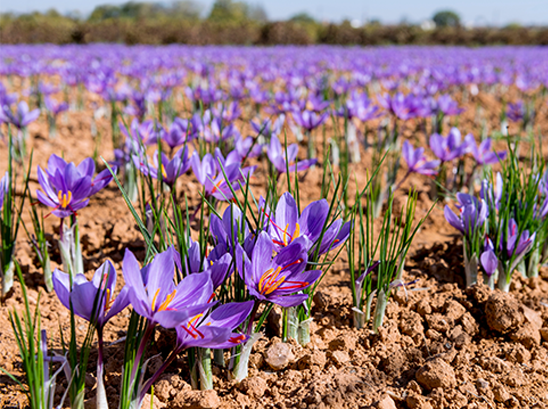
In Colorado, researchers at Colorado State University are testing whether saffron, the world’s most expensive spice, can work as a supplemental crop for Colorado farmers. Saffron needs about half the water of corn, and researchers believe it can survive on rainfall alone, with yields nearly doubling when grown in the partial shade of solar panels. It also blooms in late fall, which could generate income and seasonal work when farms are typically slow. Currently, about 85% of the world's saffron comes from Iran, which has a mountainous, semi-arid climate, similar to Colorado. The results of these trials will determine whether saffron can become a practical, drought-friendly cash crop for the state.
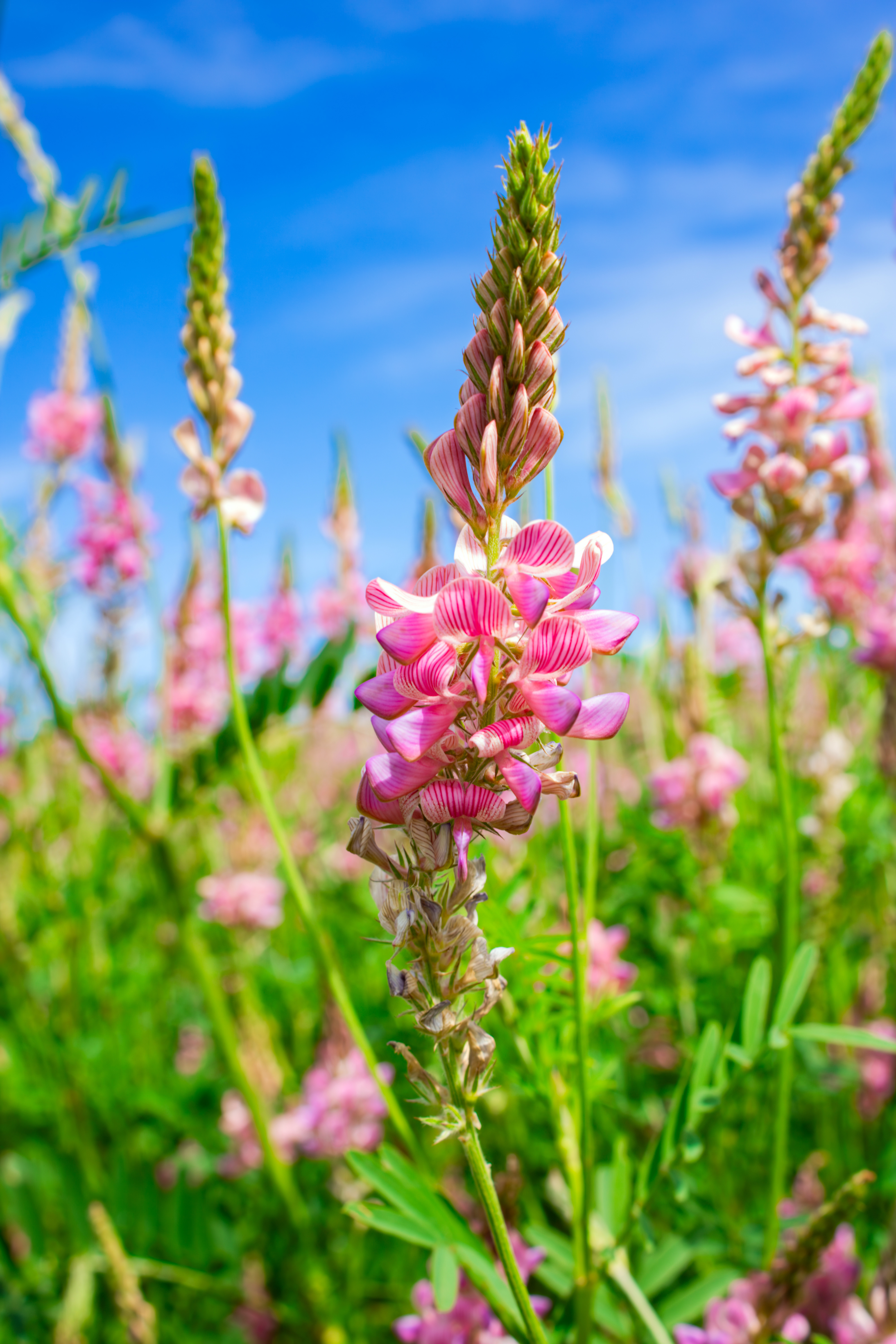 Similarly, a University of Idaho Extension researcher found that sainfoin, a drought-tolerant legume native to southern Europe and Asia, which grows well in sandy, rocky, and alkaline soils, outyielded four alfalfa varieties raised under the same conditions. The results point towards sainfoin being an ideal forage crop for farmers that are facing reductions in irrigation water.
Scientists from Washington State University presented innovations shaping the future of tree fruit agriculture at FIRA USA 2026. Innovations included robotic pruning, autonomous spray drones, smart irrigation, and smart crop-load systems, which use AI to do skilled orchard work with less labor and more precision.
Spur Ventures, a University of Nebraska–Lincoln initiative, is also working to get agricultural producers to adopt new technologies. During AgConverge, an ag tech conference that will take place in Grand Island, Nebraska, on November 17-18, Spur Ventures will connect producers, startups, industry, investors, and students to accelerate the development, validation, and commercialization of agricultural technologies.
“In ag tech, a lot of cool technologies are coming into play, but in many cases, they don't get adopted at the farm gate because they were not co-created with farmers,” said Ankit Chandra, who leads Spur Ventures and is director and lecturer of entrepreneurship for the University of Nebraska's Department of Biological Systems Engineering. “The engineers didn’t always understand farmers’ challenges.”
The Farm Tech Adoption Challenge will address that need by enabling volunteer panels of farmers and ranchers to hear pitches from ag tech startups. The Nebraska producers will then provide detailed, multi-round feedback.
Streamlining Western Infrastructure Projects: Montana Governor Greg Gianforte and Wyoming Governor Mark Gordon signed Memorandums of Understanding with Emily Domenech, Director of the Federal Permitting Improvement Steering Council, to coordinate state and federal reviews of major infrastructure projects, including energy and industrial developments. The agreements aims to reduce permitting delays by allowing agencies to conduct reviews simultaneously and increase transparency by tracking state permitting actions alongside federal reviews on a public dashboard.
“Since taking office, we’ve made it a priority to remove the bureaucratic red tape that ties up innovation and opportunity,” said Governor Greg Gianforte. "This MOU will ensure that critical infrastructure projects avoid unnecessary roadblocks after completion of federal and state environmental review processes."
“I have been looking forward to having this opportunity to ensure better coordination and collaboration between us and the federal government,” Governor Gordon said. “I’m excited this day has come. Wyoming continues to demonstrate our commitment to a balanced and efficient process for development in the Cowboy State. All new FAST-41 projects from this day forward will be subject to this agreement”
Governor Mark Gordon spoke about the need for permitting reform with Emily Domenech and Utah Governor Spencer Cox at an Energy Superabundance workshop in May. Watch their discussion here.
To learn more, check out WGA’s Permitting policy resolution, which supports efficient, timely infrastructure reviews while maintaining transparency, environmental protections, and opportunities for public participation.
 Coral Reef Restoration: Researchers at Stanford University found that bleached corals can recover within seven weeks when they come into contact with healthy, genetically identical coral fragments. The healthy coral transfer beneficial algae and nutrients that help restore the damaged coral, offering new insights that could guide future reef restoration, although scientists note that expanding the technique to entire reefs remains a challenge.
Supporting Western Ranchers: U.S. Secretary of the Interior Doug Burgum signed an order to expand livestock grazing on federal lands, streamline grazing permit renewals, and reduce administrative delays for ranchers.
"By promoting healthy rangelands and expanding grazing opportunities, we are strengthening our food supply, reinvigorating rural economies, and ensuring the legacy of American ranching continues for generations to come,” said Secretary Burgum.
Solar-Powered Hydrogen Production: Researchers at Oregon State University have developed a new light-activated material that uses sunlight to split water and produce hydrogen fuel. The material does not require an additional metal catalyst and can be produced in water at room temperature, offering new possibilities for lowering the cost of green hydrogen.
Grizzly Bear Dental Care: Veterinarians at Washington State University performed a root canal on Adak, an 11-year-old grizzly bear at the university’s Bear Research, Education, and Conservation Center, after he chipped a canine tooth. By saving the tooth instead of extracting it, the veterinary team helped preserve Adak’s ability to eat normally and avoid a lengthy recovery, while giving veterinary students a rare opportunity to learn about specialized dental care for wildlife.